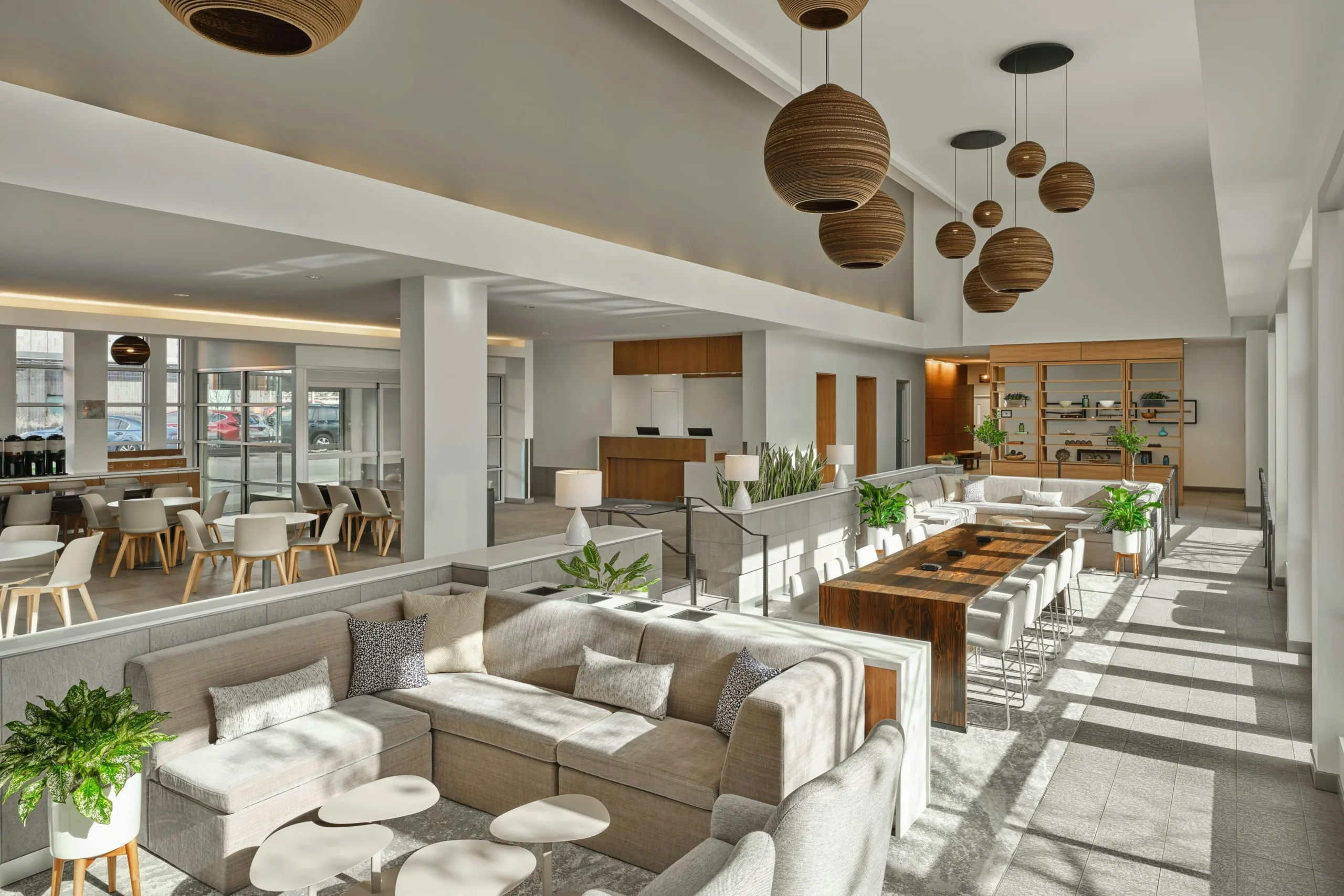



Why Early Budget Clarity is Essential in Hospitality Development
Successful hospitality projects rely on disciplined hospitality FF&E procurement planning and early budget alignment that begins long before purchasing decisions are finalized.
In hospitality development, early financial clarity often determines whether a project progresses with confidence or encounters avoidable challenges later in the process. While many teams attempt to establish final procurement numbers at the outset, experienced developers recognize that the most valuable financial tool during early planning is the preliminary procurement budget.
Preliminary budgets provide the structure needed to evaluate feasibility, align stakeholders, and guide early design decisions. They are not intended to represent final procurement costs. Instead, they establish a financial framework that supports thoughtful planning before detailed specifications and vendor pricing are confirmed.
For owners, developers, and asset managers, this level of clarity supports investment planning, lender conversations, and internal approvals. When preliminary budgets are developed thoughtfully, project teams gain a shared understanding of financial expectations before procurement begins.
Within hospitality procurement planning, this alignment becomes especially important. Projects often require coordination across hundreds of individual items, including furniture, fixtures, equipment, and operating supplies. This level of coordination is supported through a structured FF&E Procurement strategy that aligns design intent with manufacturing capabilities, logistics planning, and installation sequencing. Without this early financial framework, design decisions can gradually move beyond the intended investment range.
As explored in The FF&E Procurement Process for Hospitality Projects Explained, procurement strategy influences decisions throughout the entire lifecycle of a hospitality project.
When procurement professionals are involved early in development, preliminary budgets become reliable planning tools that help owners and project teams move forward with clarity and confidence long before purchasing begins.

Why Preliminary Budgets Matter to Owners and Developers
For owners and developers, financial visibility during the early stages of development plays an important role in shaping the trajectory of a hospitality project.
Unlike final procurement numbers, preliminary budgets provide directional guidance during the phase when key strategic decisions are being made. These decisions often include project feasibility, capital allocation, lender approvals, and alignment among ownership groups and development teams.
Hospitality projects require coordination across multiple stakeholders. Designers, procurement professionals, operators, construction teams, and investors all contribute to the final outcome of the property. Preliminary budgets help ensure that these groups begin the development process with a shared understanding of financial expectations.
Without this alignment, design teams may unintentionally specify materials or furnishings that exceed the intended investment range. Owners may later need to reconsider design selections or adjust project scope during procurement. These revisions can introduce delays, change orders, or unnecessary pressure during later project phases.
A well structured preliminary budget provides the financial framework that allows design creativity to develop within realistic parameters. When teams understand the financial boundaries of a project early in development, decisions can be made thoughtfully rather than reactively.
This clarity becomes especially valuable during lender conversations and ownership approvals. Financial projections supported by disciplined procurement planning provide stakeholders with greater confidence in the feasibility of the project.
Preliminary budgets also support coordination across furniture, fixtures, and equipment categories. Early collaboration between designers and procurement specialists, including Specification Assistance, helps ensure that product selections align with both design intent and financial expectations.
Even modest adjustments in product specifications can influence overall project investment. Understanding these cost ranges early allows teams to guide design development with greater discipline and consistency.
As discussed in How Strategic FF&E Procurement Reduces Cost Overruns and Delays, early procurement alignment helps prevent the type of financial pressure that often emerges when cost considerations are introduced too late in the process.
For owners responsible for significant capital investments, this level of foresight reduces uncertainty and strengthens confidence throughout the development process.

How Procurement Strategy Supports Reliable Budget Planning
Budget clarity during the early stages of development rarely happens by chance. It is typically the result of structured collaboration between procurement specialists, design teams, and project stakeholders.
Procurement professionals bring an important perspective to early financial planning because they operate at the intersection of design intent, manufacturing realities, and global supply conditions. Their role extends well beyond purchasing products later in the project lifecycle. Procurement teams help translate design concepts into financially realistic strategies that support both aesthetic goals and operational performance.
This translation process is particularly important in hospitality environments, where product selections must balance design vision, durability, brand standards, and the overall guest experience.
During the early planning stages, procurement specialists review concept drawings and preliminary design documentation to better understand project scope. This process often includes early TakeOff & Quantity Verifications, which help confirm the volume of furniture, fixtures, and equipment required across guest rooms, public areas, and operational spaces.
Procurement teams also evaluate potential manufacturers, production capabilities, and material requirements. These insights allow teams to establish realistic cost ranges across key categories such as guest room furniture, lighting, case goods, seating, and public space furnishings.
This level of financial insight supports confident decision making while preserving the creative flexibility of the design process.
Design teams retain the ability to develop concepts and explore materials while procurement professionals help ensure that emerging specifications remain aligned with the project’s financial parameters.
At Beyer Brown, this collaborative approach allows clients to move forward with greater clarity and coordination.
Early procurement engagement enables teams to evaluate design intent alongside manufacturing considerations, material costs, and lead times. The result is a preliminary budget that reflects both the vision of the design team and the practical realities of hospitality procurement.
This philosophy aligns with the approach outlined in Why Early FF&E Procurement Planning Protects Project Timelines. Thoughtful coordination during early development stages does not limit design possibilities. Instead, it provides the clarity needed to support confident decisions throughout the project lifecycle.
The Process Behind Reliable Preliminary Budgets
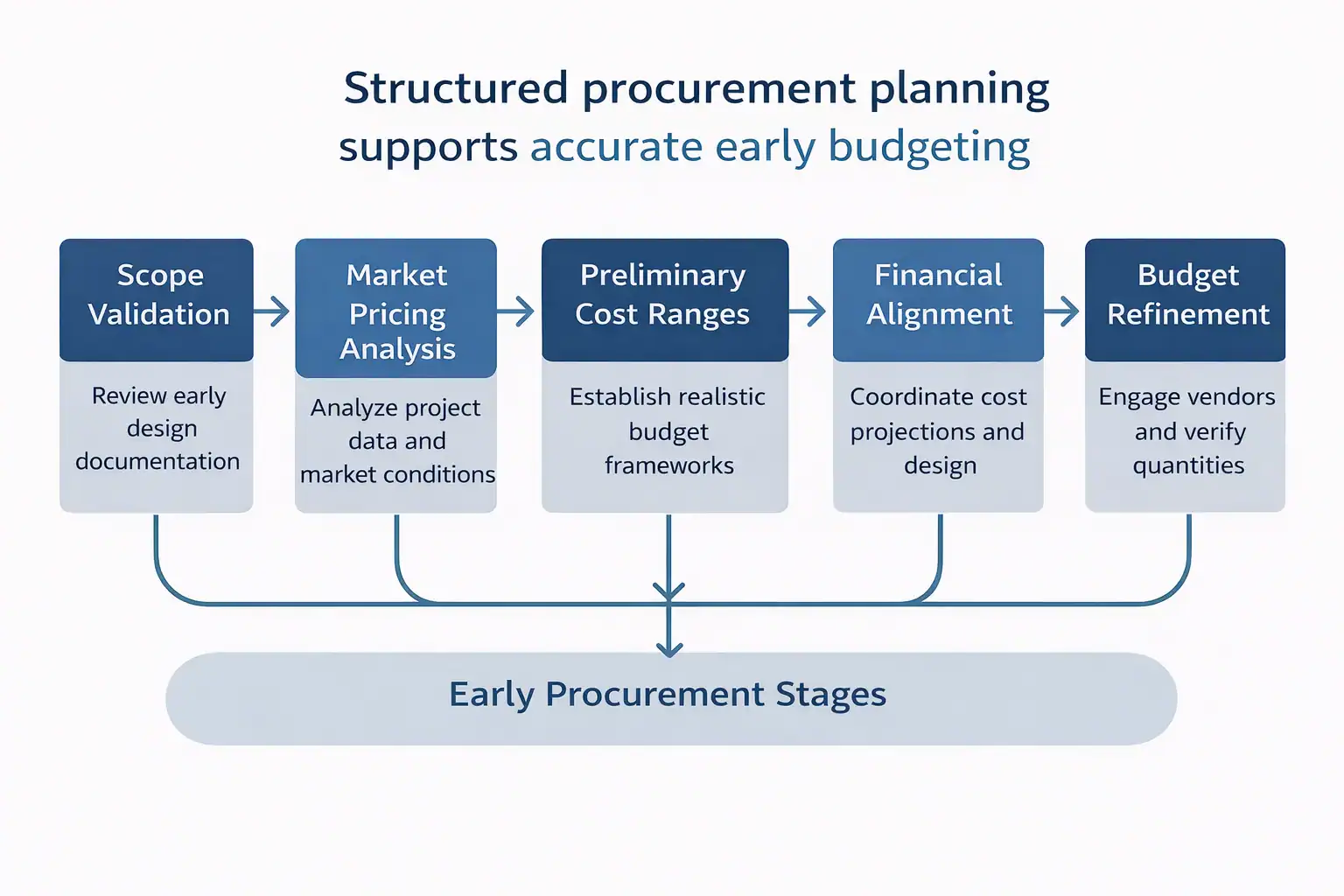
Reliable preliminary budgets are developed through a disciplined evaluation process rather than broad estimation. A structured Procurement Process allows project teams to translate early design concepts into realistic cost frameworks that guide development decisions.
The process typically begins with scope validation. Procurement teams review available design documentation, including concept drawings, brand standards, and preliminary specifications. These materials help establish the categories of furniture, fixtures, equipment, and operating supplies required across the project. From there, procurement specialists analyze historical project data alongside current market conditions to determine realistic pricing ranges for each category.
Hospitality procurement operates within a global supply environment where manufacturing capacity, material availability, freight logistics, and production lead times can all influence final procurement costs. Procurement professionals monitor these factors closely in order to provide informed financial guidance during the planning stages.
Once preliminary cost ranges are established, these projections are organized into structured budget frameworks. These frameworks allow owners and developers to evaluate financial alignment across guest rooms, public areas, food and beverage environments, and operational spaces.
At this stage, the objective is not to produce final purchasing numbers. Instead, the goal is to create a financial framework that supports confident decision making as design development progresses.
As specifications become more detailed, procurement teams refine these projections through vendor engagement and quantity verification. This structured progression ensures that financial planning evolves alongside the design process rather than lagging behind it.
Projects that bypass this disciplined approach often encounter complications later in procurement. In some cases, design selections must be reconsidered after vendor pricing is received. In others, compressed timelines force teams to make rushed purchasing decisions that introduce unnecessary risk.
These scenarios are explored in Common FF&E Procurement Mistakes in Hotel Renovations and How to Avoid Them, where delayed financial planning frequently leads to avoidable project pressure.
A structured procurement approach helps reduce these risks by establishing financial clarity early in the development lifecycle and maintaining alignment as the project moves toward execution.

How Preliminary Budgets Influence Project Outcomes
When preliminary budgets are developed thoughtfully, the benefits extend throughout the entire hospitality project lifecycle.
Owners gain financial clarity during investment planning and lender conversations. Design teams work within realistic parameters while maintaining creative flexibility. Procurement professionals guide specification decisions that keep design intent aligned with financial expectations.
This shared understanding strengthens communication across all project stakeholders.
As procurement moves forward, teams are able to focus on vendor coordination, production timelines, and logistics planning rather than revisiting fundamental budget assumptions. Installation planning becomes more predictable, allowing project teams to maintain momentum as construction progresses.
Clear financial planning also supports operational readiness. Hospitality environments must be prepared to open with fully coordinated guest experiences, where furniture, fixtures, equipment, and operating supplies arrive on schedule and meet brand expectations.
Coordinated OS&E Purchasing plays an important role in this process, ensuring that operational items are aligned with project timelines and prepared for opening day.
Projects that establish preliminary budgets early are better positioned to meet these operational requirements with consistency and confidence.
As a result, the procurement process becomes more coordinated, predictable, and collaborative. Owners experience fewer financial surprises, designers maintain confidence in their specifications, and procurement teams can focus on execution rather than course correction.
As explored in FF&E Procurement vs Direct Purchasing: What Owners Should Consider, strategic procurement partnerships help ensure that purchasing decisions support the broader objectives of the project.


Strategic Budget Planning Strengthens Hospitality Partnerships
In hospitality development, financial clarity during early planning stages creates the conditions for confident decision making.
Preliminary budgets allow owners and developers to evaluate feasibility, align stakeholders, and guide design development long before procurement begins. Rather than representing final purchasing numbers, these budgets provide a strategic planning framework that supports disciplined project execution.
Owners navigating brand renovation requirements may also rely on PIP Reporting & Analysis to better understand property improvement scope and align procurement planning with brand standards.
When supported by experienced procurement professionals, preliminary budgets become reliable tools that help protect both project timelines and financial expectations. This structured approach allows hospitality teams to move through development with greater coordination and assurance.
At Beyer Brown, procurement strategy is designed to support the full lifecycle of hospitality projects. Early collaboration helps clients navigate complex decisions while maintaining alignment across design development, budgeting, and procurement execution.
Through thoughtful planning and disciplined coordination, hospitality projects move forward with the confidence that each stage of development supports the long term vision of the property.