FF&E Procurement Within a 200 Year Landmark Conversion
Visitation Hotel Frederick introduces a new chapter for one of the city’s most historic architectural icons. Originally constructed as a cloistered monastery and later serving as a respected academic institution, the property has been thoughtfully adapted into an upscale boutique hotel that balances historic character with contemporary comfort.
Our scope included FF&E procurement for model rooms, guest rooms, and the signature restaurant. The project required careful alignment between design vision and procurement discipline within a structure shaped by two centuries of history.
Model rooms were developed early to confirm scale, finish selections, and installation sequencing within the constraints of the historic envelope. In adaptive reuse projects, dimensional variations and preservation requirements introduce complexity. Early validation minimized risk and ensured consistency before broader guest room rollout.
Clear coordination among ownership, design consultants, and vendors allowed adjustments to be resolved at the model phase rather than during production.
Guest Room Renovation
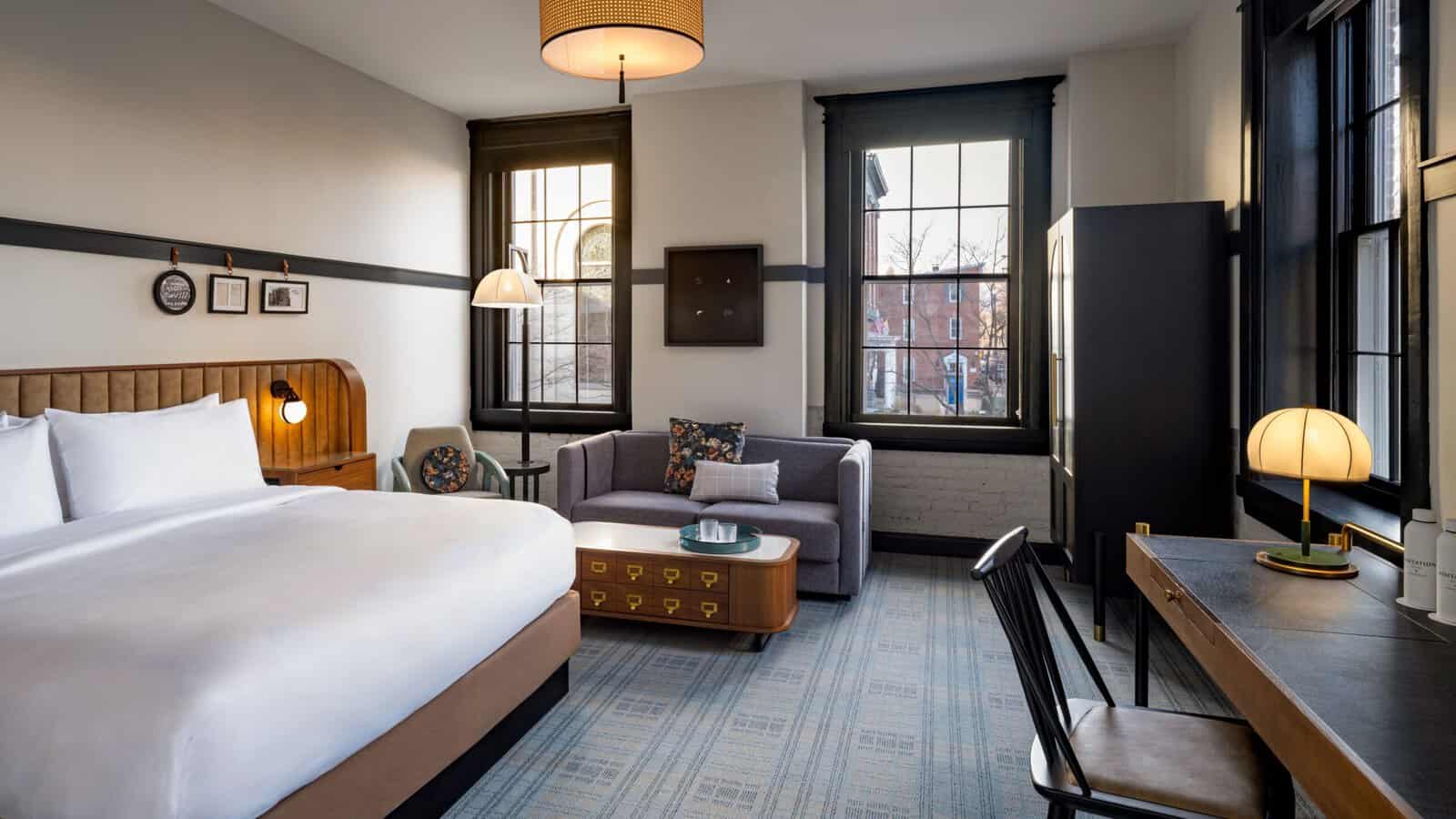
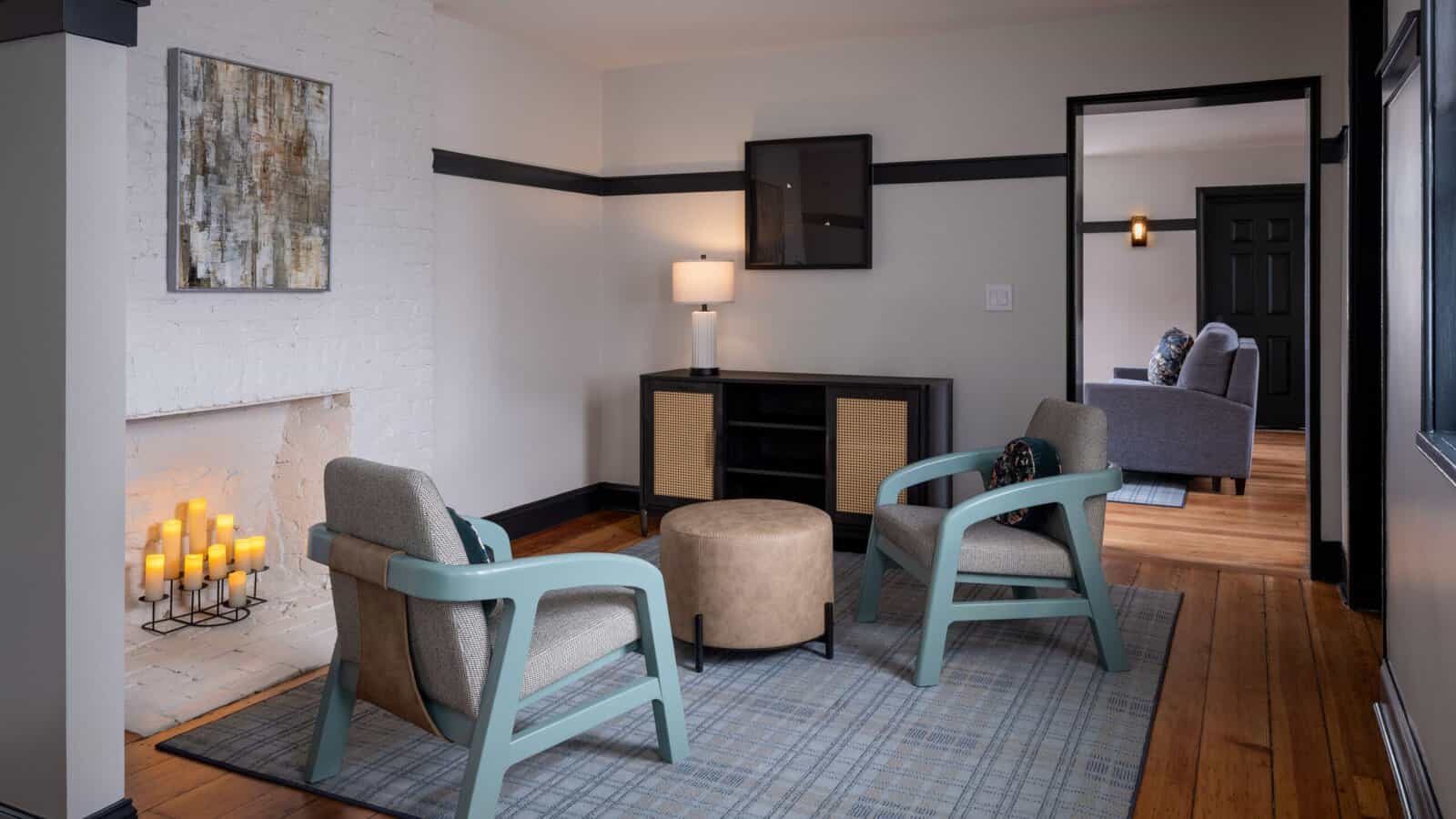
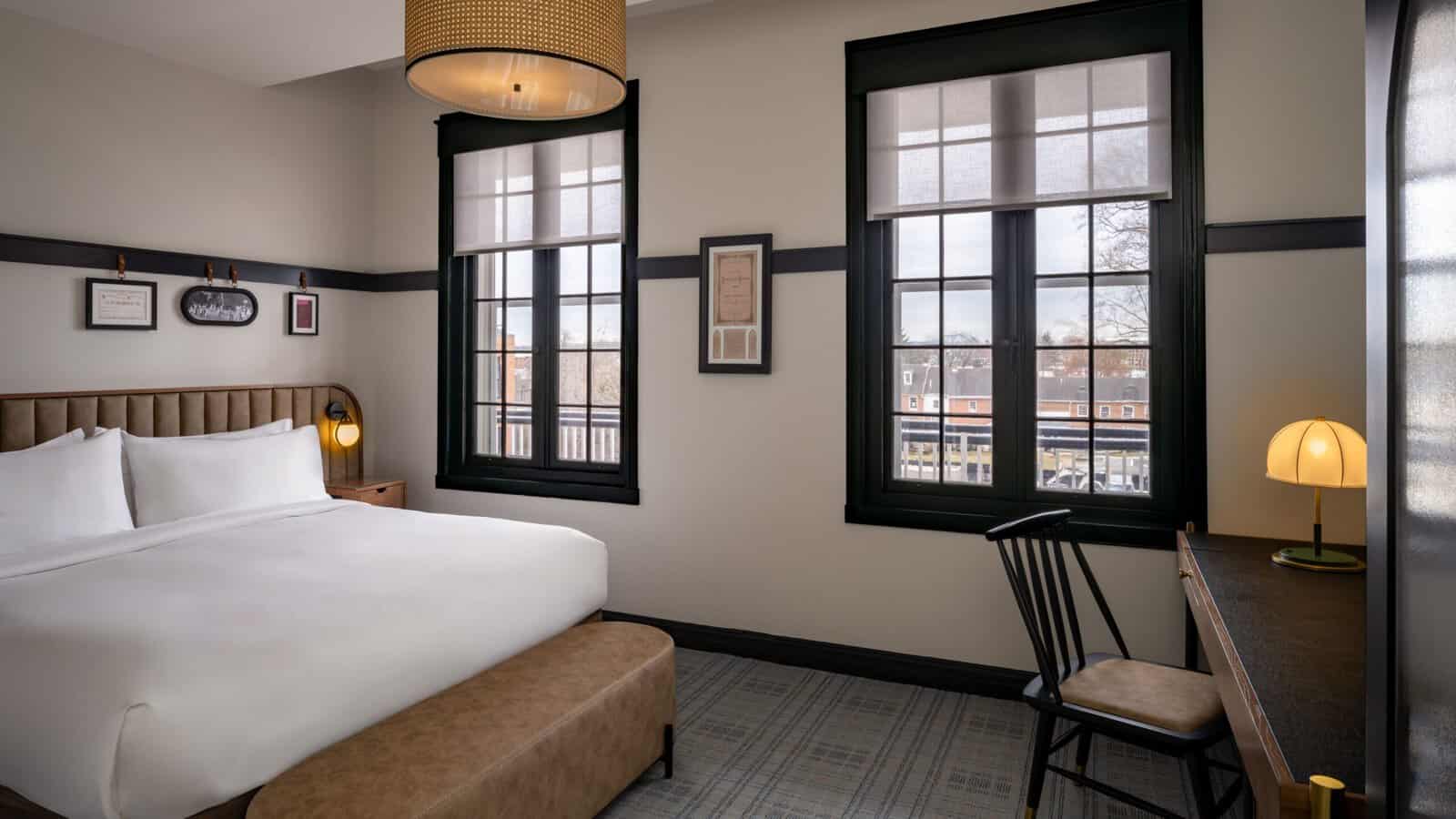
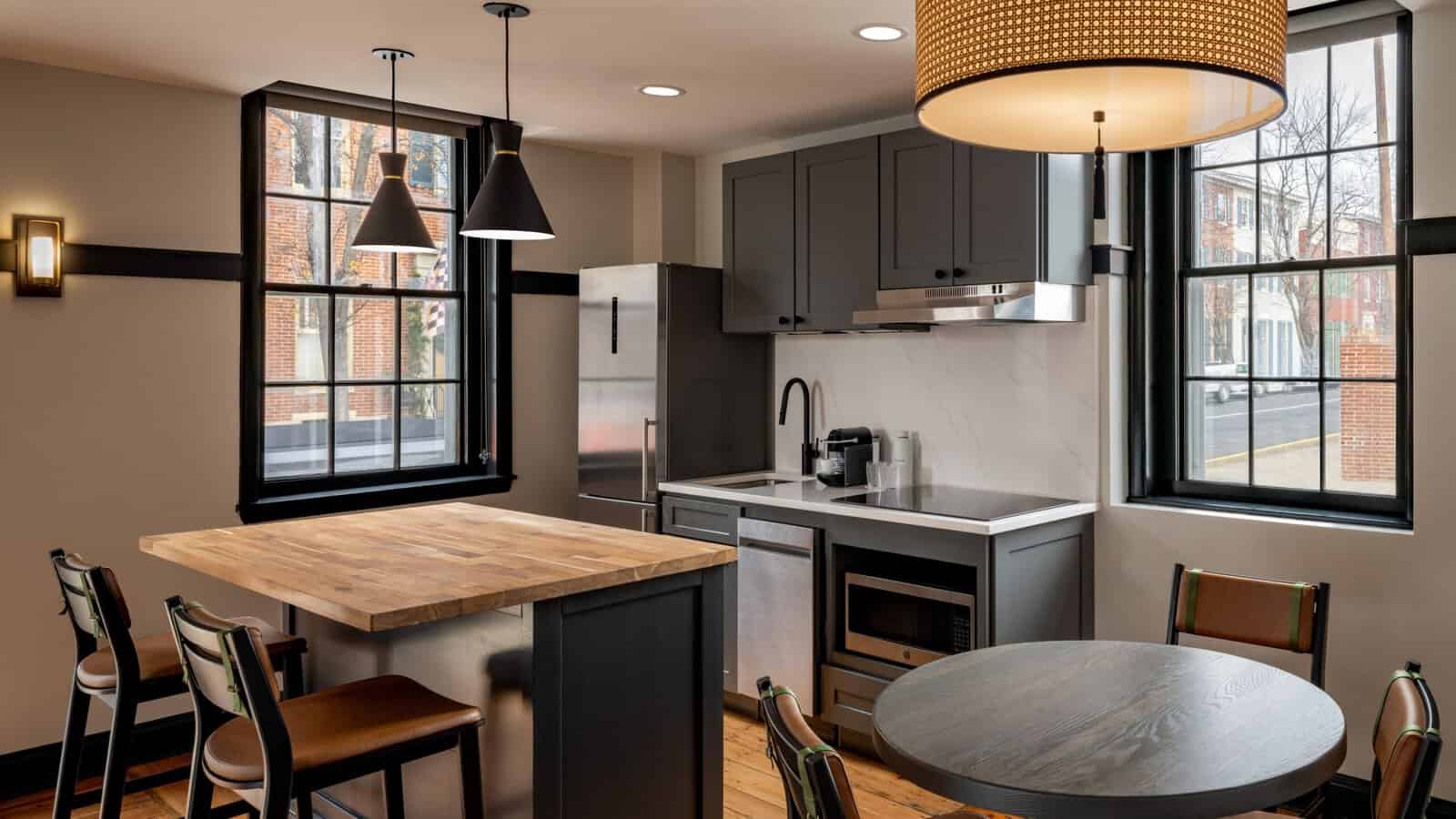
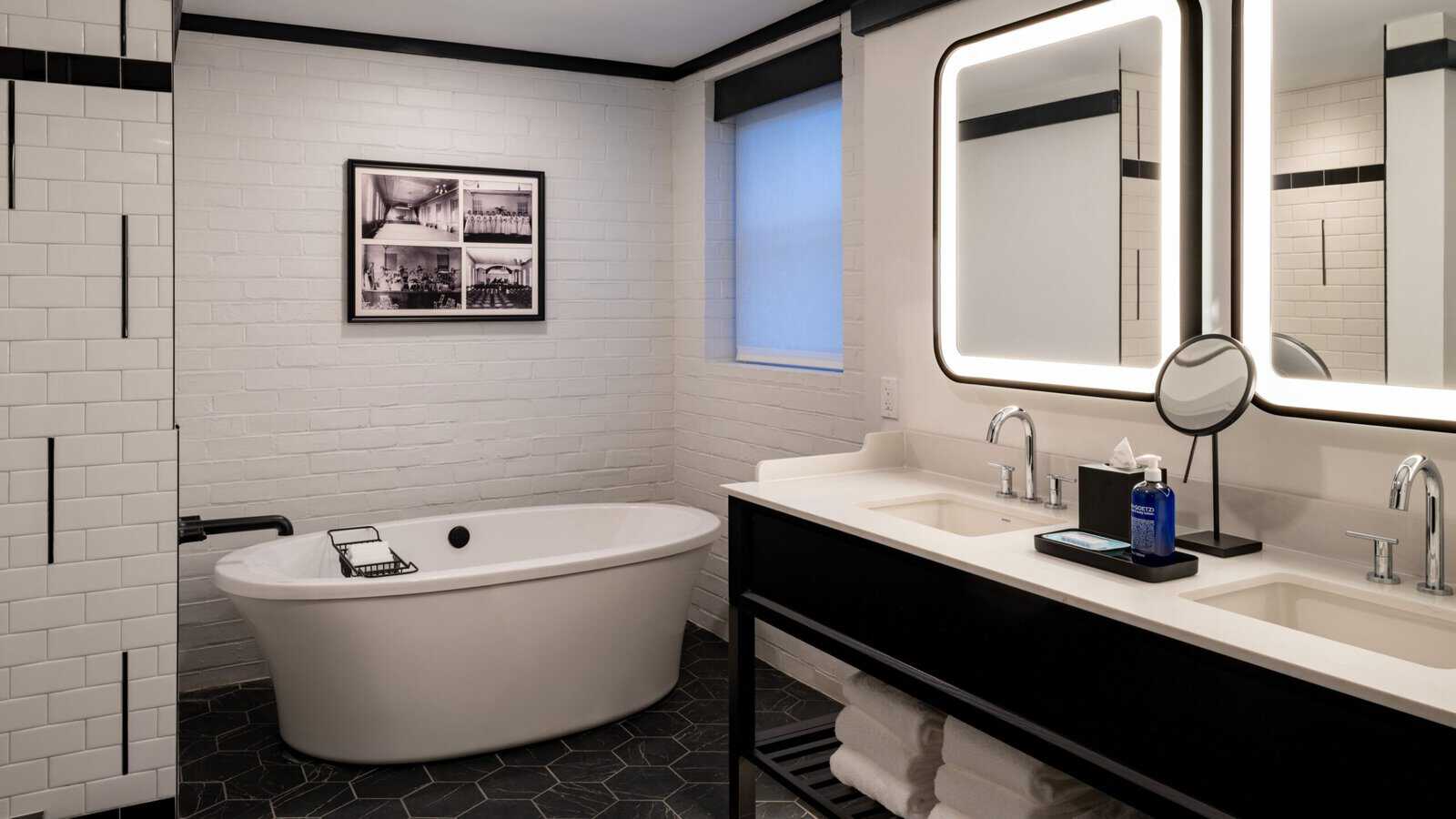
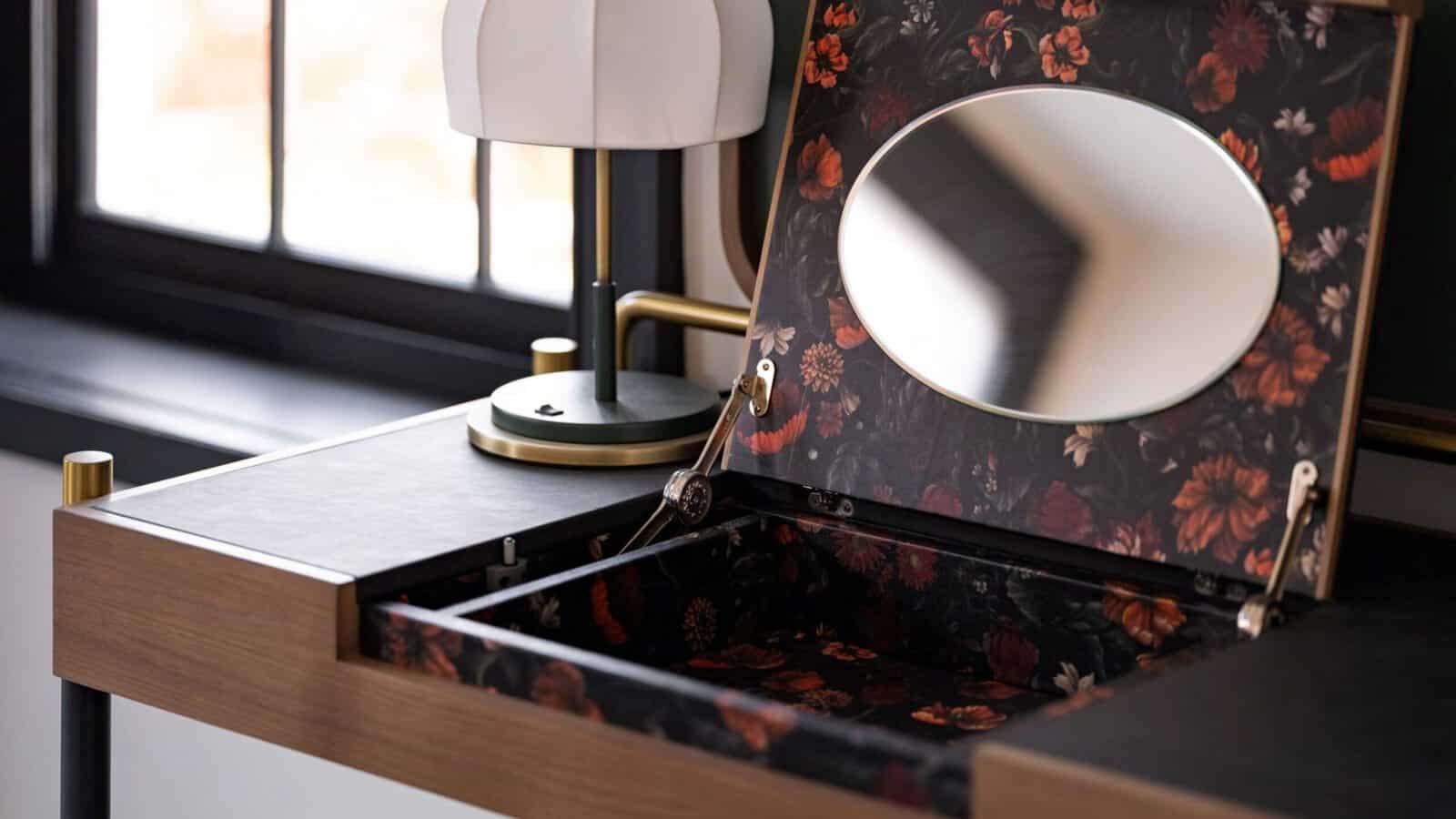
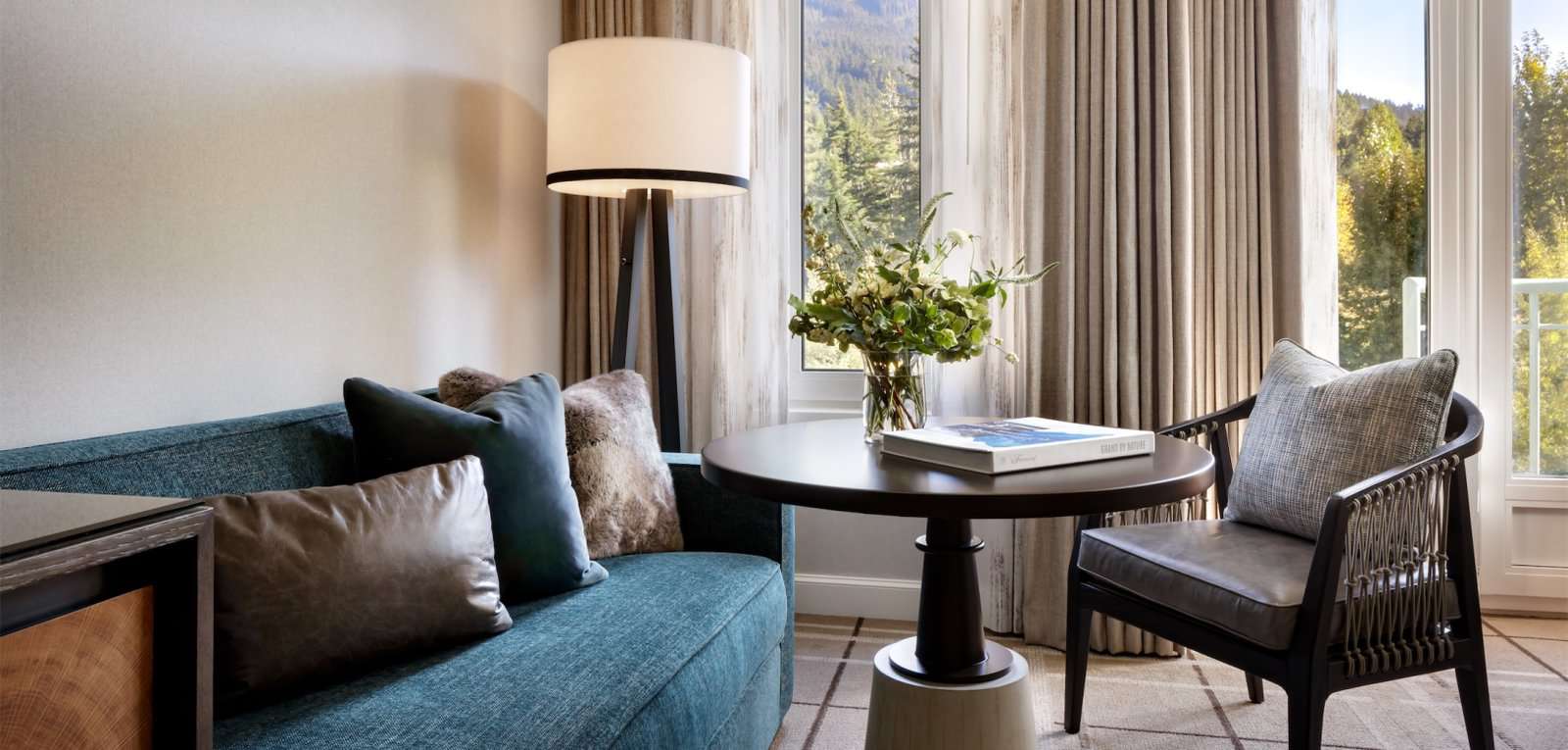
Guest room procurement focused on preserving architectural character while introducing modern hospitality standards. Furnishings, lighting, and soft goods were sourced to complement original detailing and proportions without compromising durability or guest comfort.
Careful measurement verification and vendor communication were essential to align custom and standard pieces within unique room configurations. Structured oversight protected schedule and budget while maintaining the integrity of the design narrative.
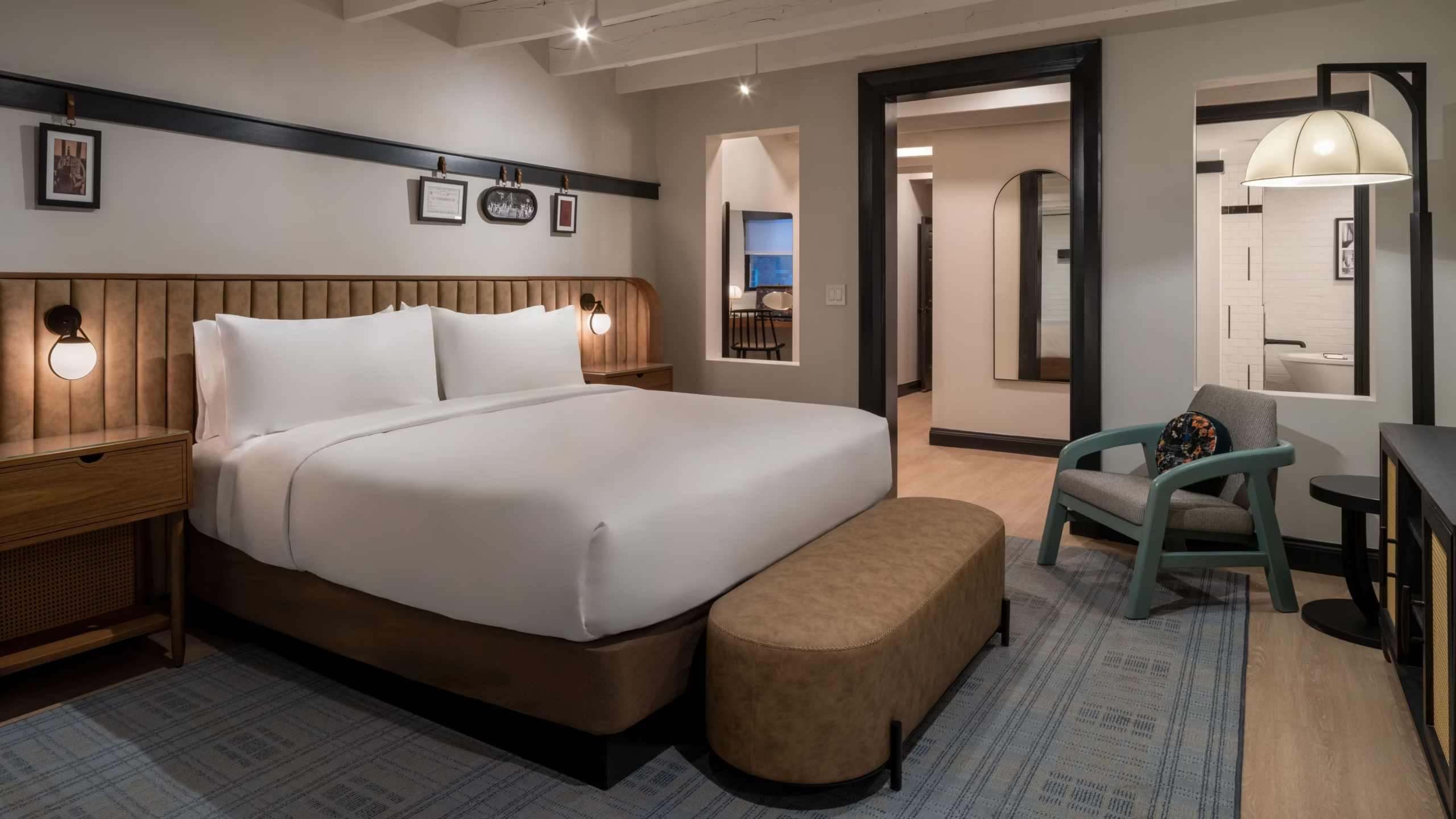
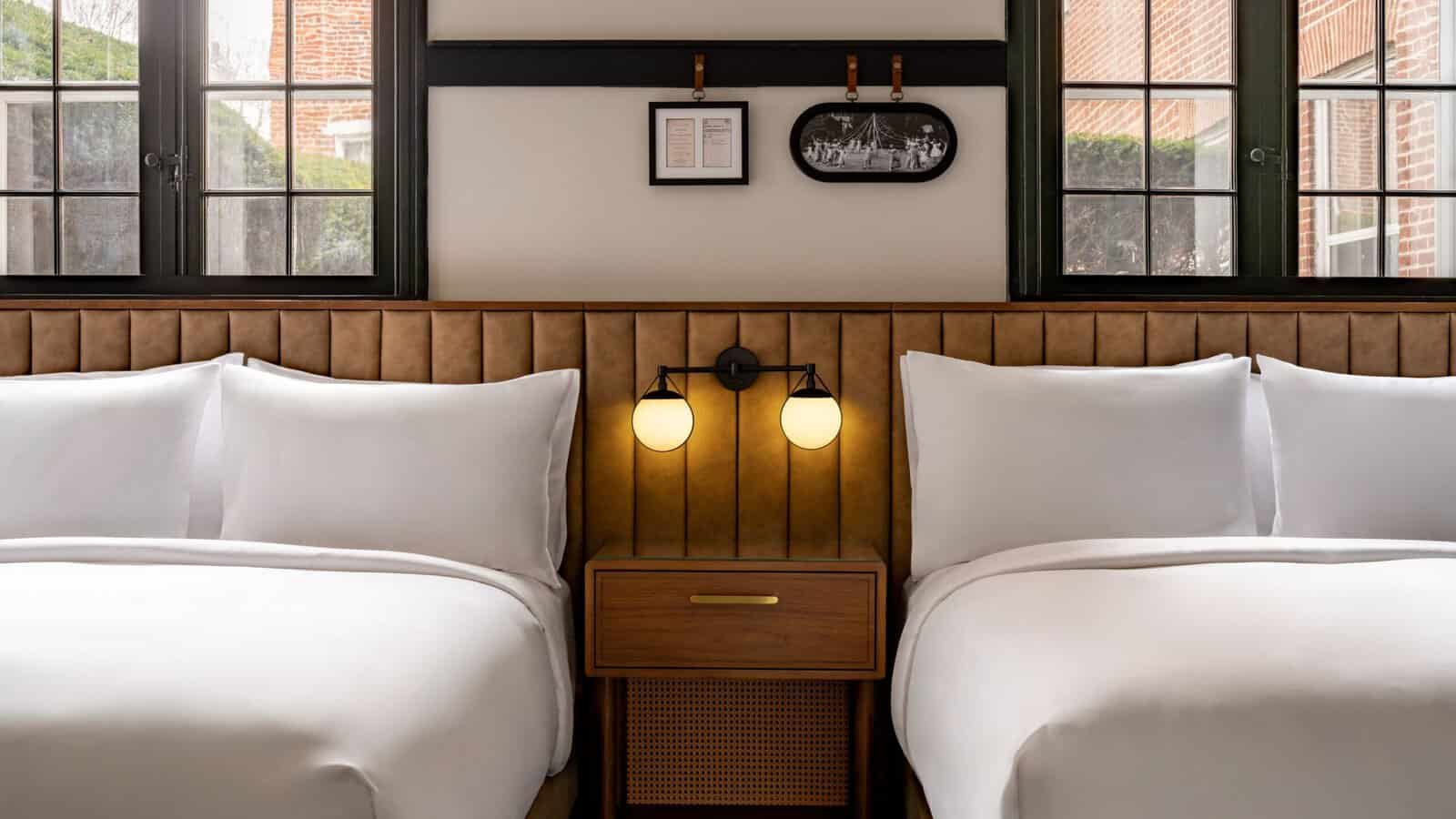
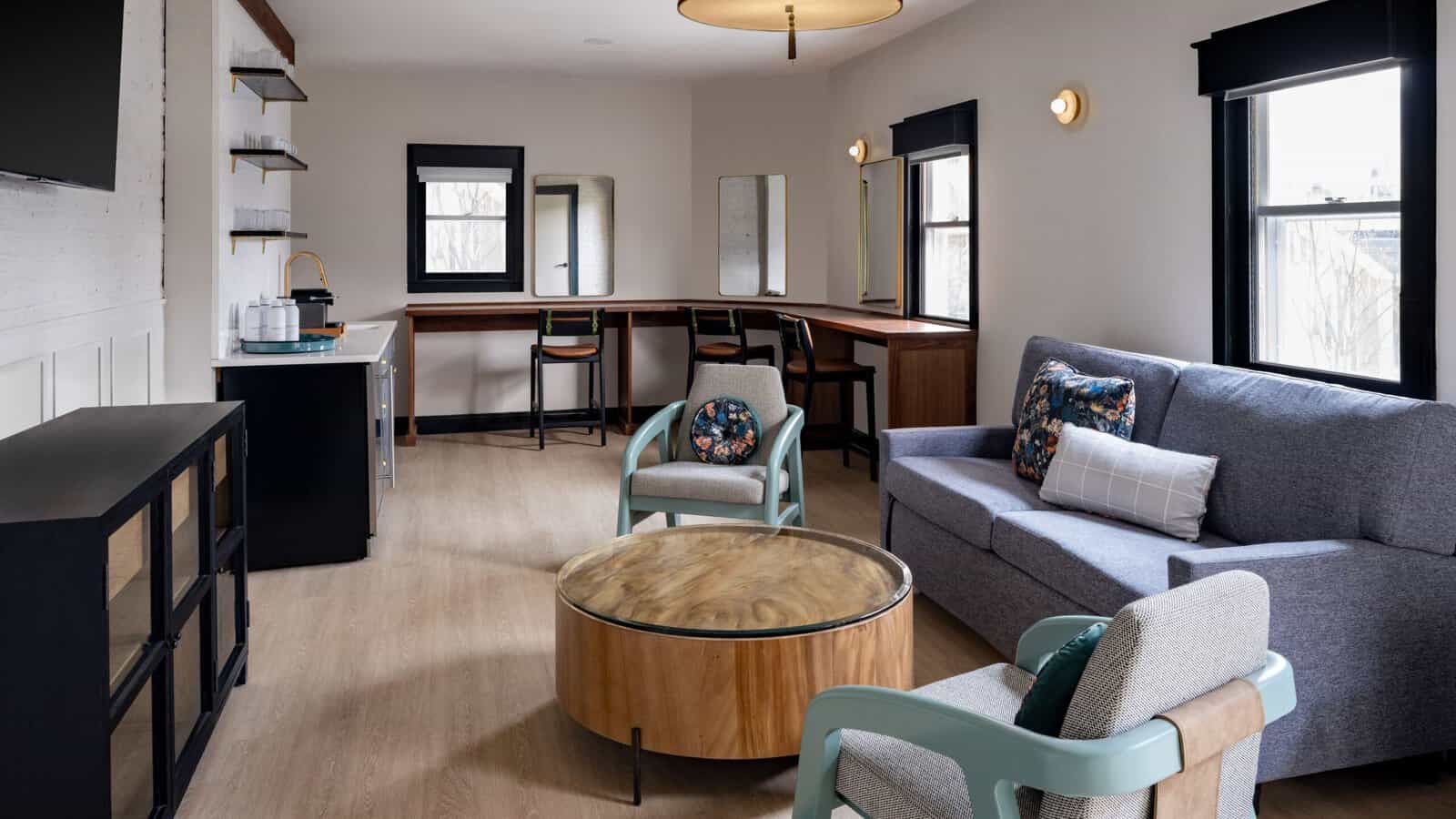
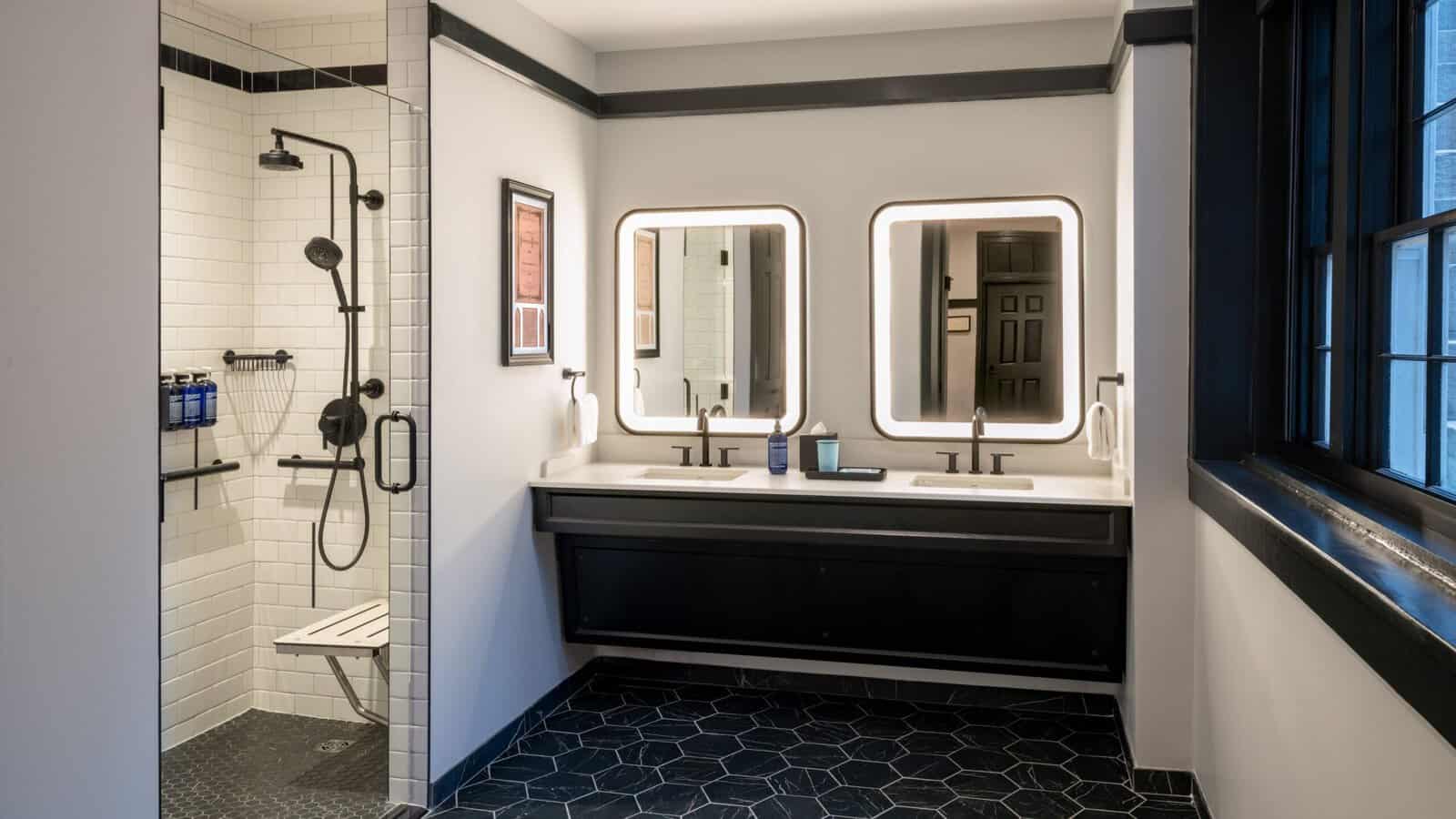
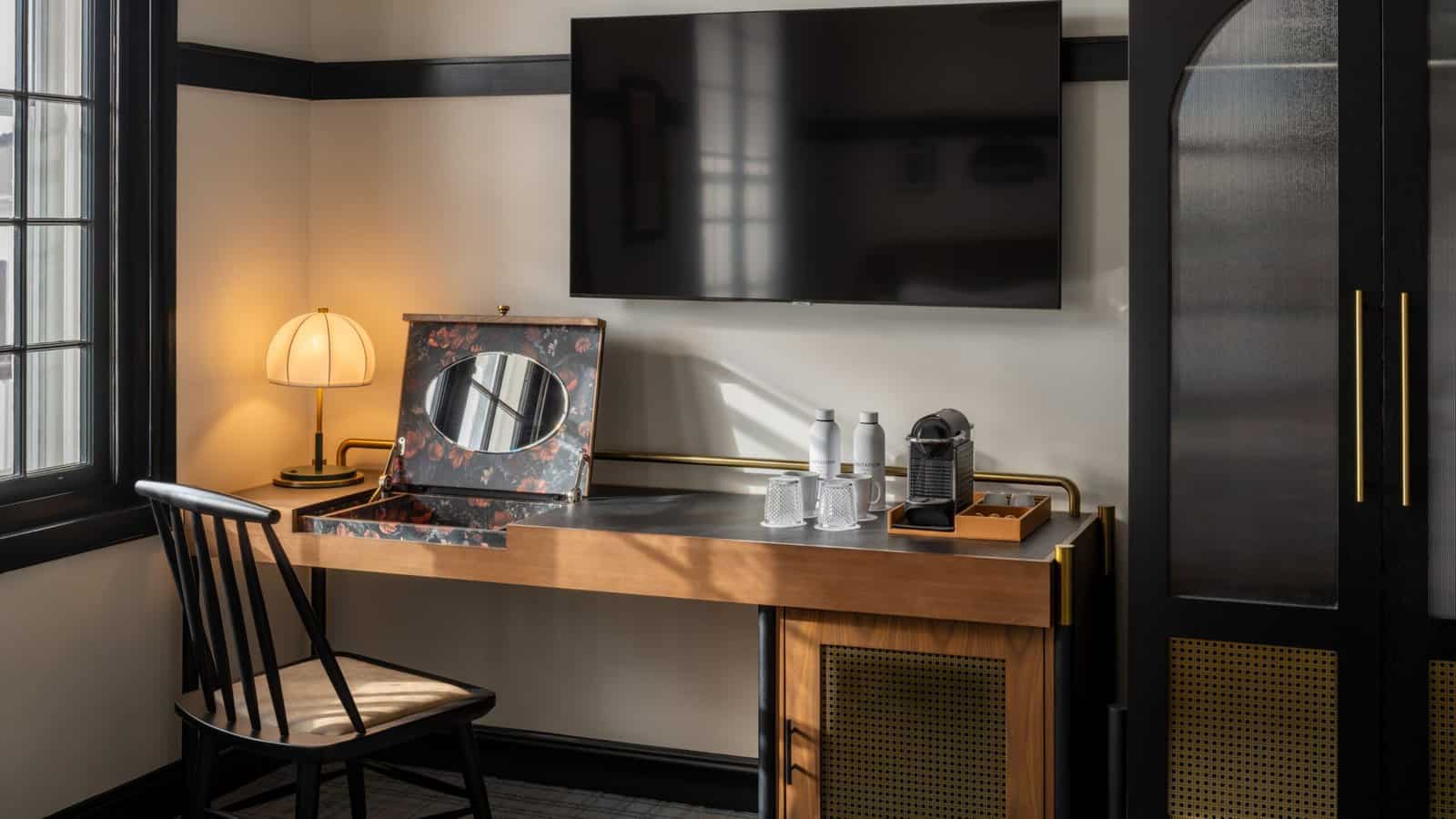
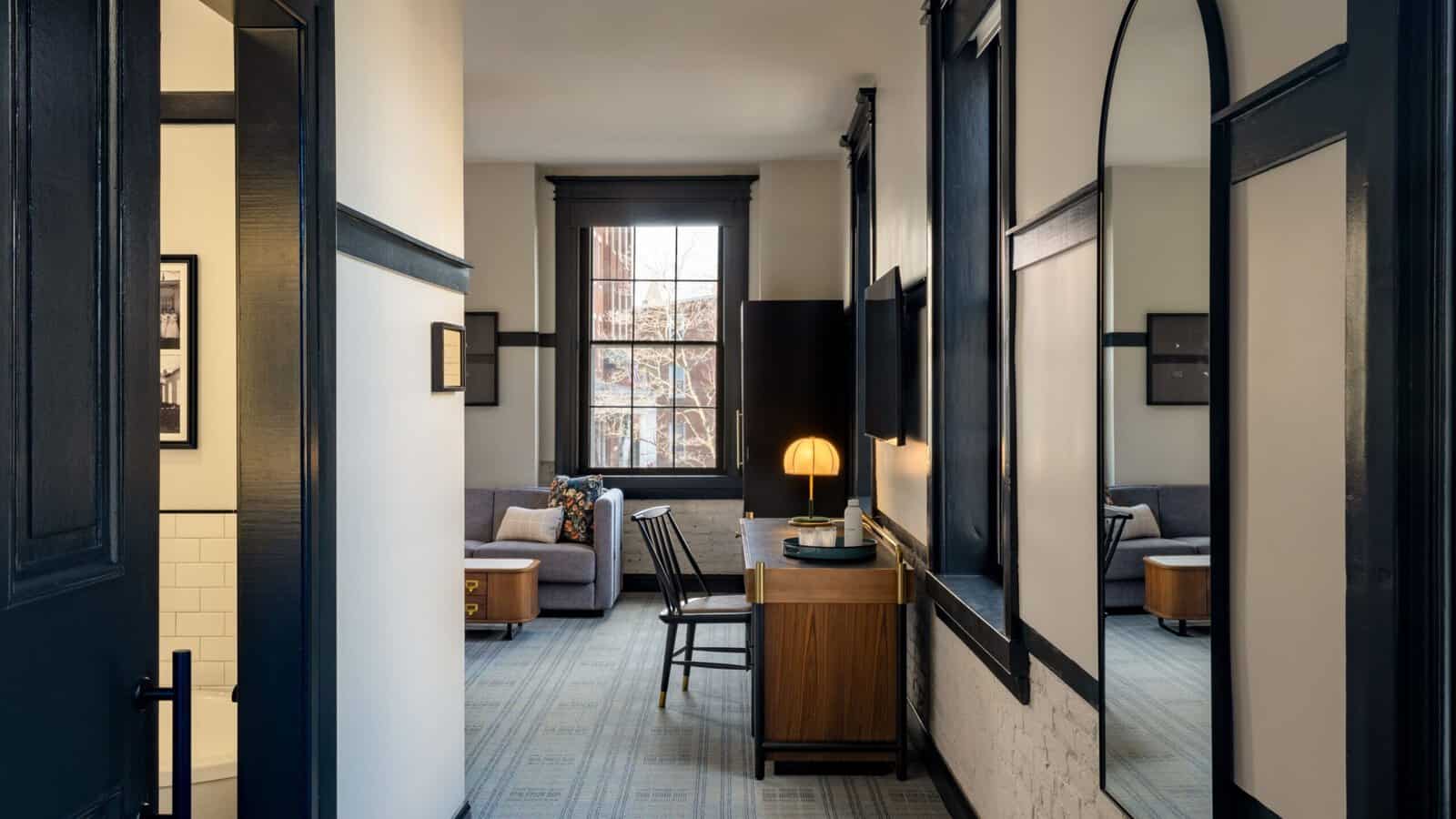
Guest rooms reflect a balance between preserved architectural elements and contemporary furnishings. Procurement focused on scale alignment, finish coordination, and long-term durability within a historic framework.
Public Spaces
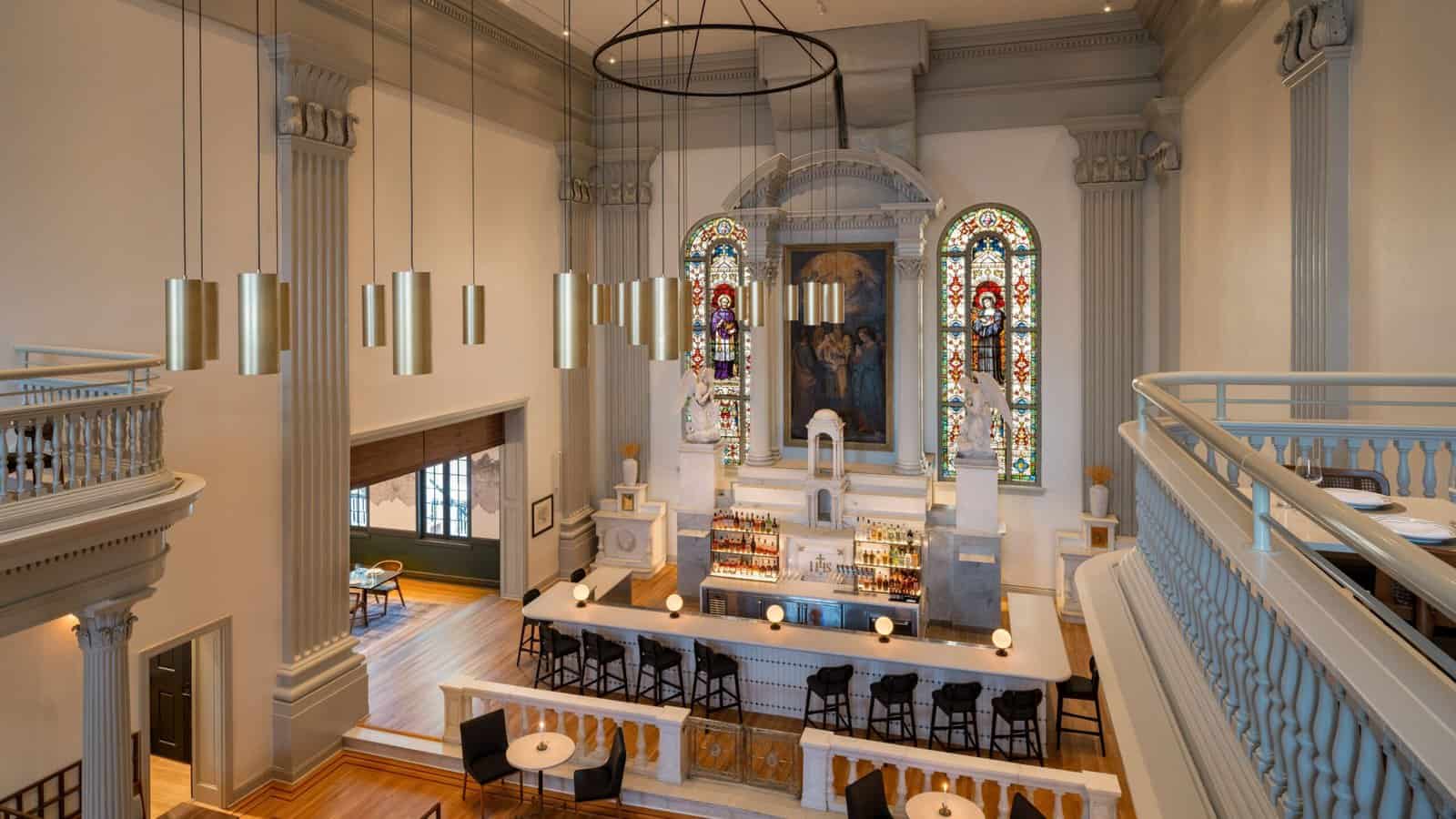
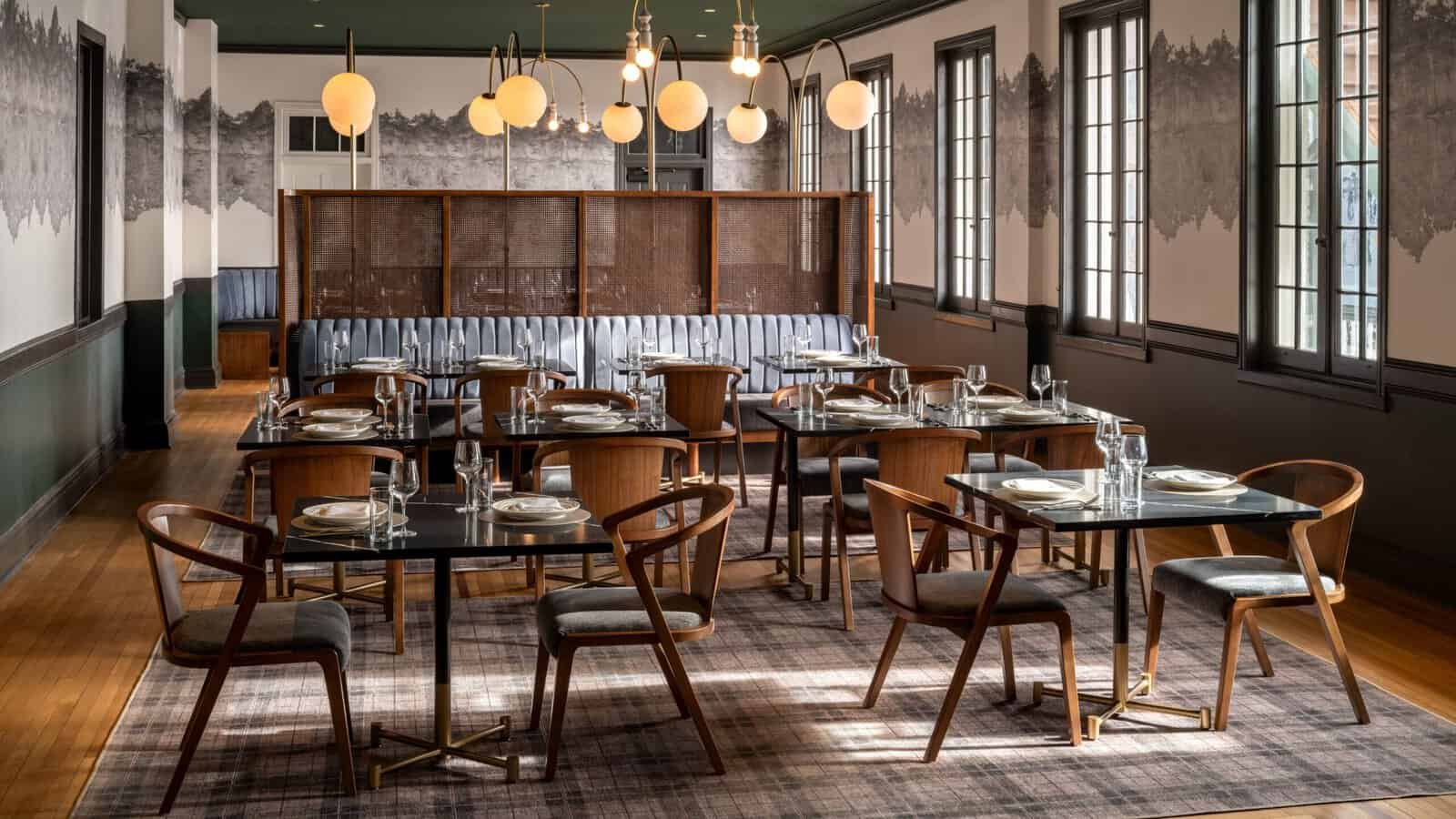
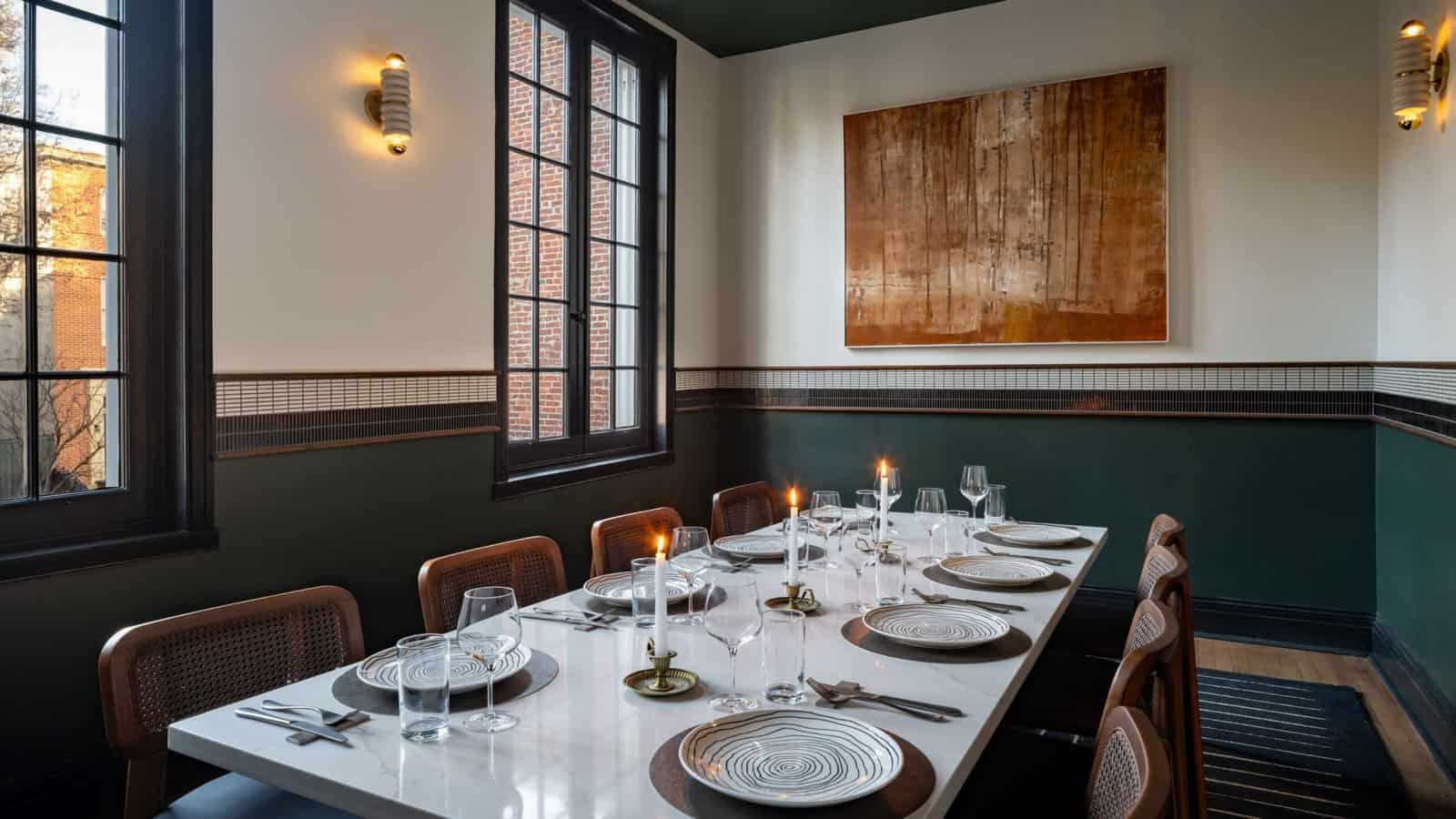
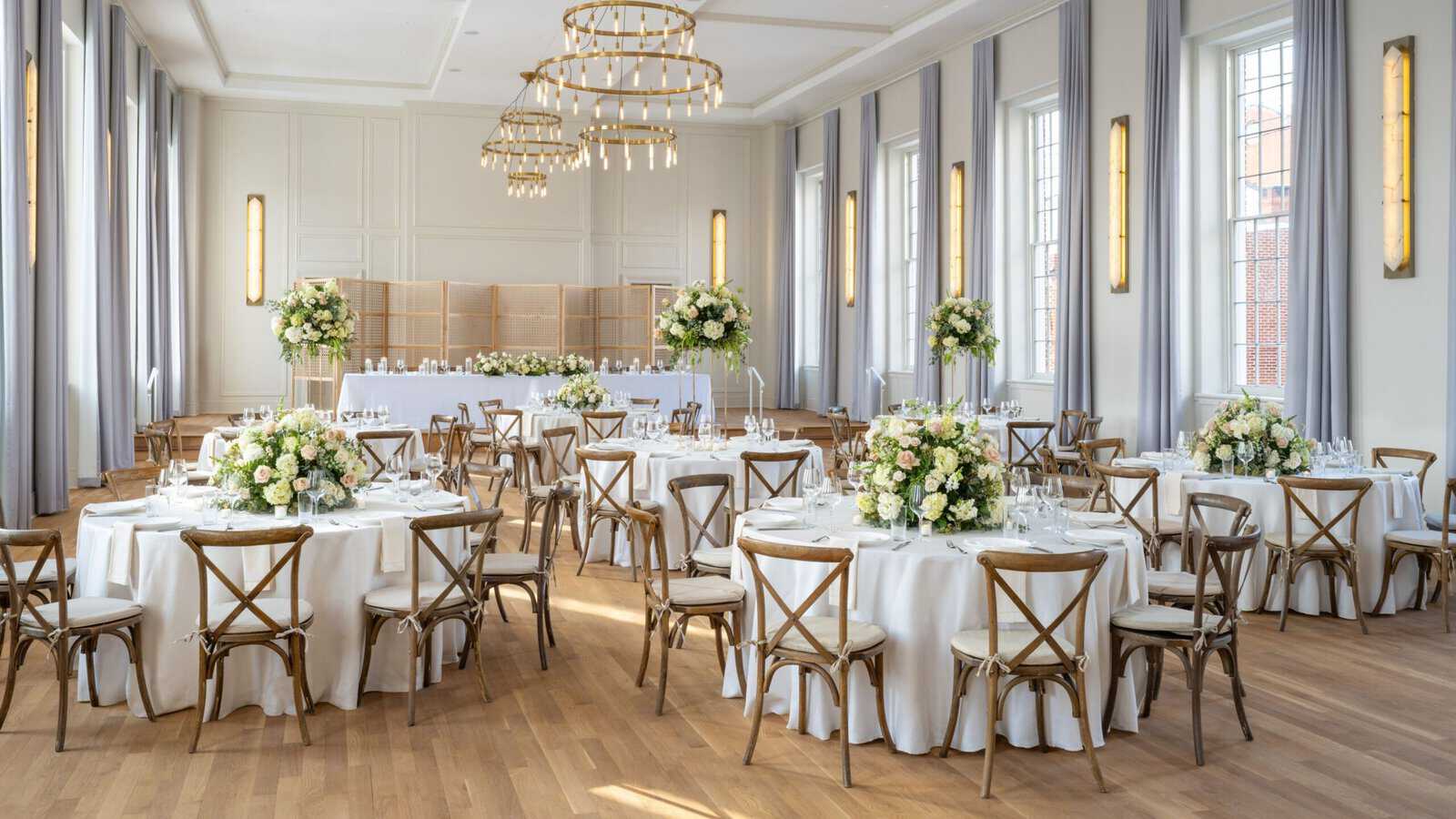
The hotel’s signature restaurant required tailored FF&E coordination reflective of the building’s legacy and boutique positioning. Seating, casegoods, decorative lighting, and specialty elements were sourced to support both aesthetic intent and operational performance.
Restaurant environments demand durability, code compliance, and sequencing precision. Coordinated delivery and installation ensured readiness without disrupting adjacent renovation activities.
Delivering Clarity in an Adaptive Reuse Project
Historic conversions require measured execution. Procurement strategy must account for preservation constraints, varied room dimensions, structural limitations, and heightened aesthetic expectations. Unlike new construction, adaptive reuse projects introduce irregular layouts, legacy materials, and architectural elements that must be protected rather than replaced. Each decision carries both operational and historical implications.
In this environment, accuracy becomes essential. Field verification, detailed specification review, and early coordination with design and construction teams help ensure furnishings integrate properly within existing conditions. Lead times, access limitations, and installation sequencing must be planned with care, particularly when working within protected structures where adjustments cannot be made casually or without oversight.
The result is a property that honors its past without compromising present day expectations. Guest rooms and restaurant spaces feel intentional and cohesive, reflecting historic character supported by modern hospitality standards. The transformation from institution to boutique landmark was not achieved through design alone, but through structured procurement oversight that protected budget, timeline, and architectural integrity with confidence.