SHARE


Luxury hotel FF&E procurement requires a different approach because the value of each selection extends beyond furnishing a room or completing a public space. Furniture, fixtures, and equipment must contribute to a distinct design narrative, meet brand and ownership expectations, perform reliably under hospitality use, and arrive in the sequence required to support construction, installation, and opening.
These requirements are closely connected. A custom lounge chair influences more than the appearance of a lobby. Its dimensions affect circulation, seating capacity, and adjacent furniture. Fabric and finish selections introduce questions involving durability, cleaning, maintenance, and applicable performance requirements. Construction details determine comfort and long term suitability, while the manufacturer’s location and capabilities can affect lead time, quality control, freight cost, customs coordination, and delivery sequencing. An unresolved condition in any one of these areas can carry into pricing, approvals, purchasing, production, installation, or hotel operations.
For that reason, FF&E procurement for luxury hotels cannot begin as a transactional exercise after the design has been completed. Procurement must remain connected to the decisions that shape the property. Beyer Brown brings structure to that coordination by helping translate approved design decisions into complete, actionable purchasing information. Specifications, quantities, pricing, samples, vendor capabilities, production requirements, logistics, installation conditions, and operational priorities are treated as connected parts of the same project

Why Luxury Hotel FF&E Procurement Matters to Owners and Developers
For owners and developers, FF&E is a substantial capital investment tied to the property’s market position, brand promise, operating model, opening strategy, and long term asset value. The quality of that investment depends on how successfully the design is translated into products that are accurately specified, appropriately sourced, produced to the approved standard, and delivered in time for installation.
Guests experience these decisions at close range. They sit in the furniture, interact with the lighting and casegoods, move through public spaces, and notice the relationship between materials, comfort, proportion, and craftsmanship. A selection that appears resolved in a specification or rendering may present different questions once its construction, maintenance requirements, lead time, and relationship to surrounding conditions are examined.
Greater Design Complexity Creates More Project Dependencies
Luxury environments frequently incorporate custom casegoods, distinctive seating, decorative lighting, specialty finishes, tailored textiles, artwork, and products developed specifically for the property. A single item may involve several materials, multiple component suppliers, finish samples, prototypes, detailed approvals, and an extended production schedule.
Each product must also coordinate with the conditions around it. A custom headboard may need to align with wall protection, bedside lighting, electrical locations, nightstands, artwork, mattress dimensions, and installation tolerances. A public area seating arrangement may depend on architectural dimensions, floor outlets, rug sizes, decorative lighting positions, required clearances, service routes, and guest circulation.
Changes to one specification can therefore affect several purchasing or construction packages. Revising a table may alter surrounding seating. Changing a fabric can affect cost, testing, production timing, and approved color relationships. Procurement helps make these dependencies visible by reviewing specifications, quantities, quotations, approval requirements, and vendor information as connected project records before incomplete decisions reach purchasing and production.
The Budget Must Reflect Total Project Impact
Luxury FF&E budgets require a clear understanding of where the design depends on customization, craftsmanship, material quality, or a particular manufacturing capability. Early allowances can provide a planning framework, but developed budgets must account for specified products, alternates, freight, warehousing, installation, taxes, applicable tariffs, and other costs required to place the FF&E into service. They should also distinguish estimates, quoted costs, approved commitments, and developing changes so ownership understands both current cost and remaining exposure.
A lower unit price does not necessarily result in a lower installed cost. An alternate may require additional handling, revised dimensions, new samples, greater installation labor, or changes to adjacent items. It may also introduce concerns involving construction quality, durability, finish consistency, warranty support, or schedule.
Effective preliminary FF&E budgeting provides this visibility while meaningful options remain available. Beyer Brown connects quantities, current pricing, specified requirements, and broader project costs so the team can understand what is driving the budget and distinguish targeted adjustments from changes that may affect quality, operations, schedule, or asset positioning.
Schedule and Long Term Performance Shape the Investment
Custom furniture cannot be ordered accurately until dimensions, materials, construction details, finishes, and quantities are sufficiently resolved. Decorative lighting may require engineering and coordination with electrical or ceiling conditions. Specialty upholstery can depend on fabric availability, confirmed yardage, testing, and sample approvals. A stated production lead time has limited value if the procurement schedule does not also account for specification completion, quotations, pricing approval, purchase order preparation, samples, and vendor questions.
Late decisions can lead to expedited freight, temporary substitutions, incomplete rooms, inefficient installation sequencing, prolonged storage, or pressure to approve alternatives without the intended level of review. These conditions may affect opening readiness, brand inspections, revenue planning, and the first impression established with guests.
Performance after opening matters as well. Finishes, fabrics, furniture construction, and serviceable components must respond to frequency of use, cleaning protocols, maintenance capabilities, environmental conditions, and operating requirements. Designers contribute creative direction, operators provide knowledge of service and maintenance, and procurement brings product information and vendor capabilities into the evaluation before a selection becomes a production commitment.

How Beyer Brown Brings Structure to Luxury Hospitality Procurement
Beyer Brown approaches luxury hotel FF&E procurement as an extension of the project team, connecting approved design decisions with the commercial and logistical requirements needed to execute them. The team reviews available specifications, drawings, quantities, budget parameters, project milestones, brand expectations, and operational priorities before pricing advances. This establishes which packages are sufficiently developed for quotation, where clarification is required, and which unresolved decisions may affect related products or later phases.
How the Luxury Hotel FF&E Procurement Process Works
A disciplined hospitality FF&E procurement process maintains continuity as project information becomes a physical product. Each phase provides the basis for the next, and approved changes must be carried into every affected record.
1. Scope and Quantities Establish the Baseline
Procurement begins by defining what is included, where each product will be installed, how many units are required, and when the associated area must be ready. Guestroom types, suites, residences, public spaces, food and beverage venues, spas, meeting areas, and back of house spaces may each carry different requirements.
Beyer Brown reviews drawings, room matrices, furniture plans, quantities, and defined scope for consistency. The review also identifies products requiring early action because of customization, long lead times, limited material availability, complex approvals, or construction coordination.
2. Specifications and Quotations Create Decision Ready Information
A product selected in concept may not be ready for accurate pricing. Missing dimensions, undefined finishes, inconsistent quantities, or unclear construction can produce allowances, exclusions, and different vendor interpretations. Beyer Brown documents questions and coordinates clarification so quotations reflect the design intent and a more complete, comparable scope.
Vendor proposals are then leveled across unit pricing, quantities, construction, finishes, samples, production timing, freight, packaging, warranties, terms, and exclusions. If a product exceeds budget, the analysis identifies the factors driving the variance so the team can evaluate adjustments against design intent, performance, schedule, and total installed cost.
3. Samples and Model Rooms Validate Developed Decisions
Finish samples, upholstery, strike offs, wood tones, metal finishes, decorative lighting components, stone used within furniture, and prototypes allow designated approvers to evaluate color, texture, scale, construction, craftsmanship, and comfort before full production.
A model room brings products, architecture, and operations into one physical environment. It can reveal dimensional conflicts, outlet coordination issues, insufficient clearances, lighting effects, housekeeping concerns, or usability conditions that drawings may not fully communicate. Beyer Brown purchases model room products and coordinates with project and installation teams as the items are delivered and evaluated. Approved revisions are documented and carried into final purchasing and production records.
4. Purchase Orders Establish Commercial Commitments
A purchase order formalizes the approved product, quantity, pricing, delivery requirements, and commercial terms. Beyer Brown prepares purchasing documentation and reviews the vendor acknowledgment against the order to identify differences before production advances. Later changes require appropriate approval and must be incorporated into the affected records so there is a dependable reference for what the vendor has committed to provide.
5. Production Oversight Informs the Schedule
Vendor updates, outstanding approvals, material availability, and projected completion dates are monitored against project milestones. A material delay or revised completion date can affect rooms, related installation activity, and delivery sequencing beyond the individual order. Beyer Brown communicates that broader impact so the appropriate parties can evaluate options and carry the decision into current project records.
6. Logistics Must Reflect Production and Site Readiness
Completed products move through transportation, receiving, storage, delivery, and site handling before installation. Destination resorts may introduce weather, seasonal access, restricted delivery hours, or limited staging. Large or delicate custom pieces can require special packaging, equipment, handling, and confirmation that they can move through loading areas, elevators, corridors, and door openings.
Beyer Brown coordinates information among vendors, freight providers, warehouses, contractors, and installers so logistics remain connected to production status and actual site conditions. The team needs to understand what is shipping, where it is located, when it is expected, what handling it requires, and which area depends on its arrival.
7. Installation and Deficiency Resolution Complete the Record
Quantities, labels, packaging, room assignments, access, and delivery sequencing affect the installer’s ability to place products efficiently. If an item arrives damaged, incomplete, or inconsistent with its approval, resolution depends on a clear record of what was ordered, acknowledged, produced, shipped, and received.
Beyer Brown documents and tracks procurement related deficiencies so outstanding items remain connected to the responsible vendor and purchase order. Closeout provides visibility into what has been delivered and installed, what remains open, and what action is underway as the property approaches turnover and operational readiness.
The Project Impact of Procurement Built for Luxury Hospitality
Disciplined procurement improves the quality of information available to decision makers and the team’s ability to respond when cost, schedule, or site conditions change. Ownership can relate scope and design decisions to approved pricing, commitments, and remaining exposure. Developers can evaluate procurement milestones alongside construction, installation, brand inspections, and opening. Designers receive support in carrying approved details through fabrication, while operators and brand representatives have clearer information for evaluating performance and alignment with applicable standards.
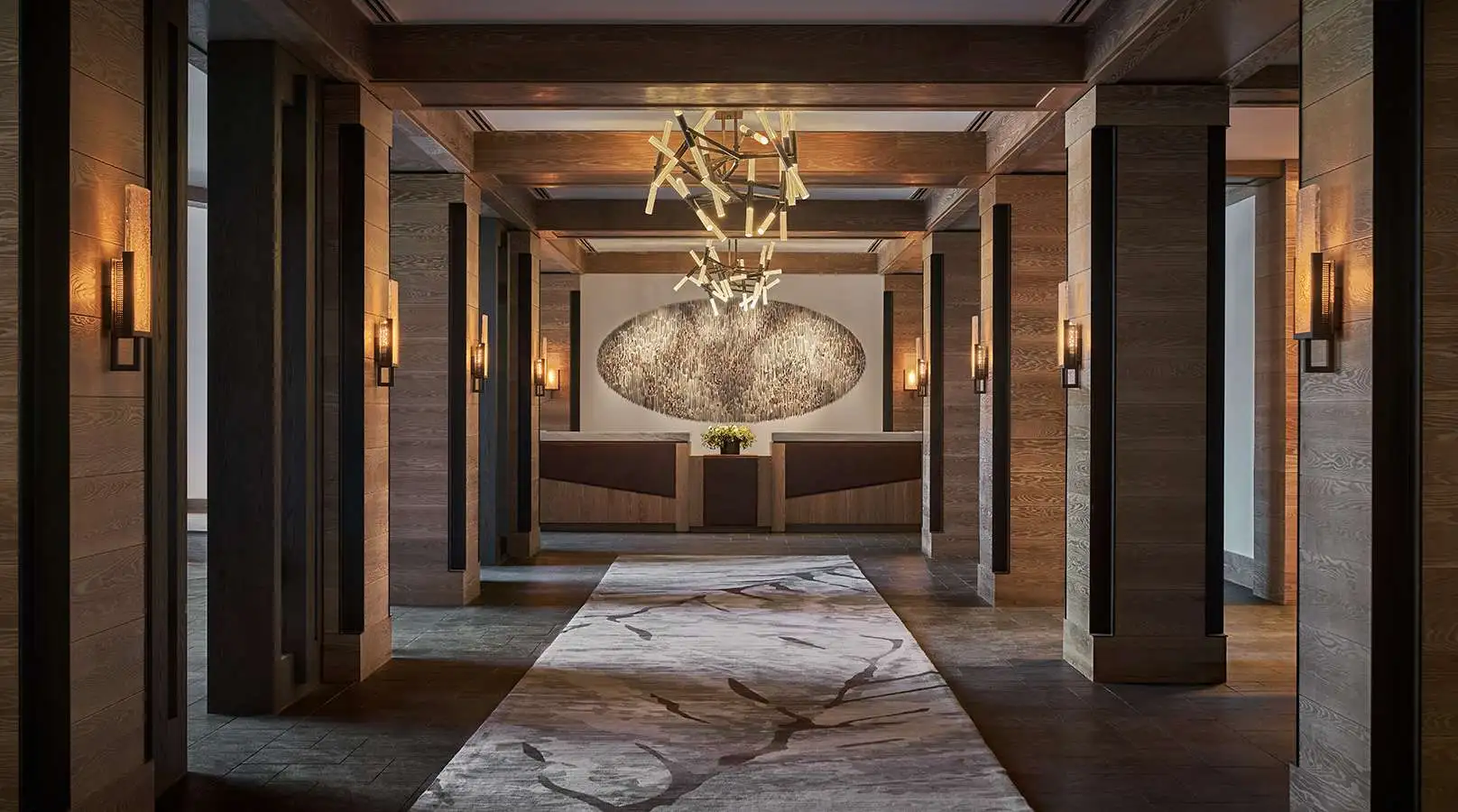
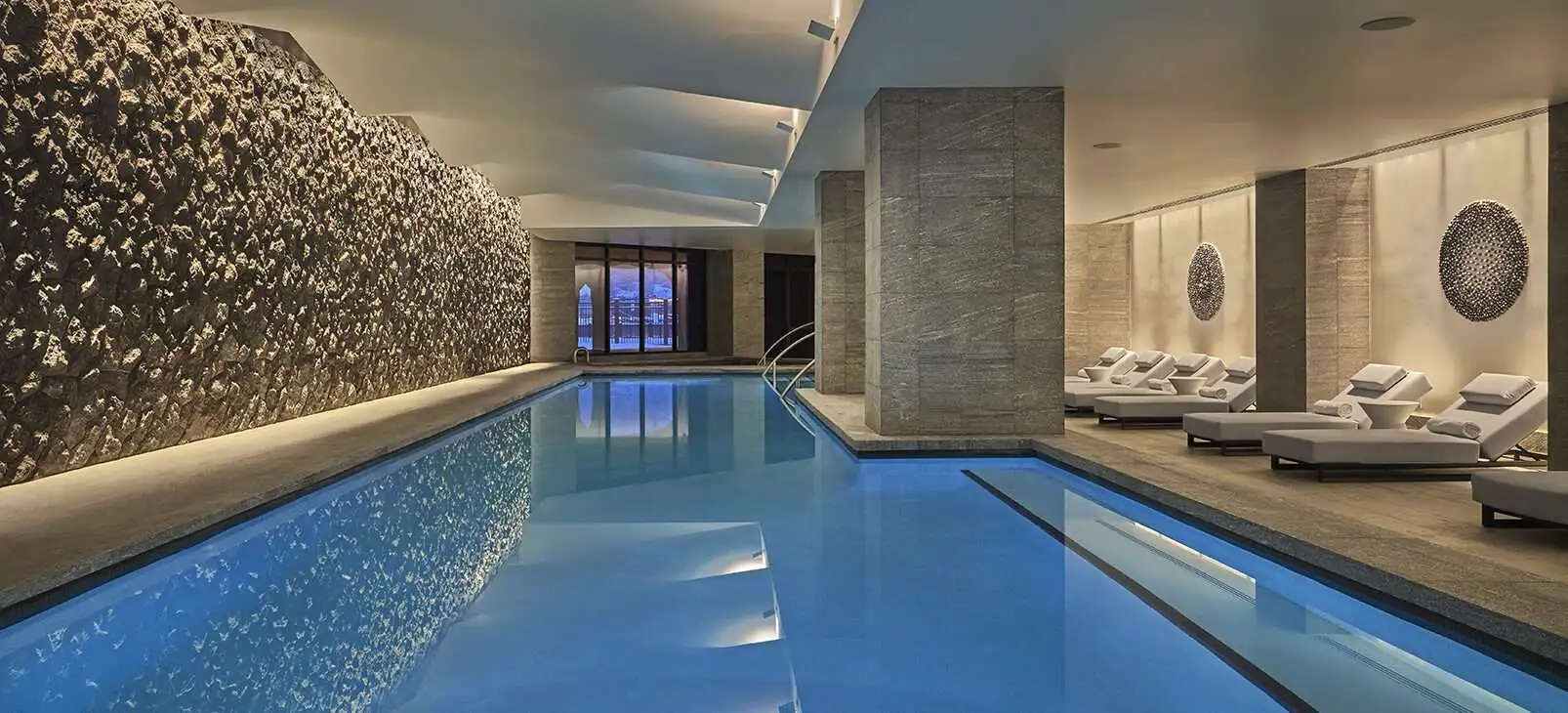
Beyer Brown’s work at Montage Big Sky, Montana Luxury Resort illustrates the breadth of coordination a luxury destination can require. The scope included FF&E procurement for model rooms, guestrooms across multiple accommodation types, public spaces, and full OS&E services. Guestrooms, suites, and private residences were distributed among The Lodge, The Inn, and the Mountain Homes.
Each setting carried distinct quantities, specifications, approvals, operational needs, and delivery requirements while contributing to a shared resort identity. The inclusion of OS&E added another layer of coordination. FF&E established much of the furnished environment, while OS&E equipped the teams responsible for operating the property and serving guests. Keeping both categories connected to design, budget, production, logistics, installation, and operations supported a cohesive property prepared to function as intended.
Strategic Procurement Protects the Property Beyond Opening Day
Luxury hotel FF&E procurement demands precision because aesthetic, financial, operational, and scheduling consequences remain connected throughout execution. A structured approach preserves continuity between the approved design, financial commitments, vendor obligations, logistics plan, installation, and the condition of products placed into service.
Beyer Brown supports that continuity through disciplined documentation, analysis, vendor coordination, reporting, and communication. Project partners retain responsibility for their respective areas, while procurement provides a shared framework for understanding what has been approved, purchased, and completed, what remains unresolved, and how developing conditions may affect the wider project.
The strategic value continues after opening. Products evaluated for construction, durability, serviceability, and operational use are better positioned to perform as intended. Complete purchasing records and documented approvals provide a reliable reference when an item requires repair, replacement, warranty coordination, or future replication. These considerations help ownership protect the consistency of the environment and make informed decisions throughout the useful life of the FF&E.
Successful luxury hospitality projects depend on partnership among teams with different expertise and responsibilities. Beyer Brown helps bring their decisions into an executable structure so design intent, budget, specifications, purchasing, production, logistics, installation, and operations remain connected. The result is a procurement process that respects the original vision, responds to the realities of execution, and supports a luxury property prepared to serve its owners, operators, and guests well beyond opening day.