


FF&E procurement supports multifamily lease-up by coordinating furniture, fixtures, and equipment with the dates model apartments, leasing spaces, and shared amenities must be ready. For ownership, the practical concern is whether each priority area can be completed as planned, with approved products installed and outstanding deficiencies addressed before photography, tours, or resident use depend on it.
That readiness takes shape well before delivery. Furniture selections must become complete specifications, verified quantities, approved pricing, and purchase orders that vendors can execute. Production commitments depend on required approvals and payments, while delivery plans must account for construction progress, receiving arrangements, and installation access. An unresolved finish approval or a room released later than expected can affect an entire furnished setting, even when other items are progressing on schedule.
Beyer Brown addresses these dependencies through budgeting, specification assistance, quantity verification, purchasing management, product tracking, and coordination with freight and installation providers. Its hospitality procurement experience brings a practical understanding of how design decisions become vendor commitments and how those commitments must remain connected to site conditions.
Cypress Manor Apartments, featured in Beyer Brown’s multifamily residential portfolio, illustrates the range of environments involved: furnished apartment interiors, shared social spaces, fitness areas, and outdoor seating. These spaces have different purchasing and installation requirements, but each contributes to the community’s presentation. Procurement supports their planned availability; leasing performance also depends on market demand, pricing, marketing, and the property’s leasing strategy.

Why Furnishing Readiness Matters to Owners and Developers
The furnishing schedule needs to reflect how the community will begin leasing and operating. A model apartment may be required for photography before the first residential phase opens, while an amenity becomes available later. Measuring FF&E progress against a single construction completion date can conceal an unresolved approval or missing product in a space the leasing team needs sooner.
Ownership needs to know whether the items required to complete each priority area will be available together. A model apartment can have most of its furnishings delivered and still be missing the dining table that anchors the approved layout. An overall delivery percentage offers limited insight unless the underlying information identifies what is missing, where it belongs, and how its status affects the room’s planned use.
Beyer Brown’s quantity verification, purchasing management, and product tracking help establish that visibility. Connecting specifications and quantities to vendor commitments gives the team a basis for assessing outstanding items. Ownership can then evaluate a substitution, revised delivery sequence, or additional freight expense against the needs of the affected space.
The furnished presentation also needs to remain faithful to the approved design. A replacement sofa with a larger footprint may be available sooner but alter circulation or crowd an adjoining area. Procurement should involve the designer and clarify cost and timing implications before an alternative is approved. Availability alone does not establish suitability.
Shared amenities introduce operating considerations alongside presentation requirements. Lounge furniture must suit anticipated use and cleaning practices, outdoor seating must be appropriate for its exposure, and fitness equipment may require specialist assembly or coordination with electrical work. These requirements affect specifications, contract responsibilities, and installation sequencing.
Scope must also match the leasing model. A conventional development may require furnishings for model apartments and shared areas while offering residences unfurnished. A furnished rental program introduces different quantities and delivery phases. Operating supplies and equipment, or OS&E, require separate responsibility assignments so the team understands what procurement will purchase and what the operator will provide.
For ownership, multifamily residential FF&E procurement connects these requirements to the investment and leasing plan. Priorities established with the project and leasing teams help direct attention to the spaces needed next, reducing the furnishing issues left to resolve when scheduled activities begin.
How Beyer Brown Connects FF&E Procurement to Leasing Readiness
Hospitality procurement requires furnishings to align with opening dates, installation sequences, and operating needs. Beyer Brown applies that coordination experience to residential projects, where priorities may include model apartment photography, leasing activity, phased occupancy, and amenity availability. The approach must reflect the actual furnishing scope rather than assume that an apartment development follows a hotel’s purchasing requirements.
Beyer Brown reviews specifications and floor plans, verifies quantities within its responsibility, and evaluates vendor proposals against the client’s quality, budget, and timing expectations. These activities help establish whether the proposed furniture package can support the intended presentation within the available funding and schedule.

Its preliminary budgeting gives ownership an early basis for evaluating that relationship. As design develops, allowances need to be reconciled with selected products, confirmed quantities, and current pricing. Budget visibility remains useful when the team can distinguish an unresolved allowance from an approved purchasing commitment and understand how changes affect the remaining scope.
Vendor analysis carries those requirements into purchasing. Quotes must reflect the approved configuration, while alternatives require consideration of design intent, cost, and delivery. Beyer Brown brings vendor information into that review so the project team can evaluate the complete decision before authorizing an order.
Purchasing management and product tracking then connect approvals with execution. Regular reporting helps distinguish products progressing toward delivery from those still dependent on payments, submittals, or other requirements. As installation approaches, coordination with freight providers and the selected installer connects product movement to the areas available to receive furnishings.
Beyer Brown also offers dedicated OS&E purchasing. The items included in a residential engagement depend on the property’s operating requirements and agreed scope. Confirming those assignments helps the operator understand what will be delivered and what must be supplied separately before daily use begins.
The Procurement Decisions That Keep Space Moving Toward Use
1.Establish the Scope and Required Dates
A procurement schedule should work backward from the activities each furnished space must support. Model apartment installation may need to finish before styling and photography, allowing time to address missing or damaged items. A lounge may follow a sequence tied to construction turnover and operator preparations. These requirements establish the milestones against which purchasing and production should be evaluated.
The production window depends on when specifications, samples, funding, and vendor requirements can be approved. A requested delivery date has limited value until those dependencies are understood. Beyer Brown’s early scope and lead time analysis helps identify the decisions required to support the schedule.
A responsibility matrix establishes who purchases, receives, and installs each category. Appliances, decorative lighting, cabinetry, and fitness equipment may fall under separate contracts despite appearing together in the design documents. Confirming those boundaries helps prevent omissions and duplicate orders.
2. Verify Quantities Against the Current Plans
Quantity verification reconciles the furniture schedule with current floor plans and specifications. Item references, room allocations, and counts must describe the same approved arrangement. A revised amenity layout can change purchasing quantities even when product selections remain unchanged.
Beyer Brown’s takeoff and quantity verification provides an independent review within the assigned scope. Its published process identifies contractor supplied quantities for carpet, wallcovering, and other contractor installed items. Establishing responsibility for each count clarifies which quantities procurement verifies and which require information from another party.
Revisions must also be reconciled with orders already released. An updated schedule does not change an existing vendor commitment automatically. Purchasing records and installation allocations need to reflect the approved adjustment so the project avoids surplus products in one area and shortages in another.
3. Resolve Specifications Before Releasing Orders
An approved selection needs enough detail to become an executable purchasing requirement. Product references, dimensions, finishes, upholstery, and required options should be clear before a proposal is accepted. Unresolved details can produce qualifications in a quote or hold an order after release, reducing the available production time.
Specification review must account for intended use. Shared lounge seating may need different performance characteristics from model apartment furniture. Cleaning requirements and replacement considerations belong in that discussion. Outdoor products require review of manufacturer information for the intended setting.
Beyer Brown’s specification assistance connects these requirements with design intent and budget. Purchasing questions should be resolved with the designer and appropriate project parties before an order commits the client to a configuration. Alternatives require review of the complete change, including dimensions, materials, finish, and timing.
4. Compare Quotes and Confirm Purchasing Commitments
Quote analysis establishes whether vendors are pricing comparable requirements. Differences in configuration, freight, assembly, or included services can make similar totals represent different obligations. Beyer Brown reviews and negotiates proposals against the client’s expectations, helping ownership assess pricing alongside quality and timing.
After approval, reporting needs to distinguish an order issued from an order accepted and released into production. A vendor may still require a deposit, finish sample approval, or final submittal before production begins. Tracking those requirements provides a more dependable basis for assessing delivery than the purchase order date alone.
Changes after release require review of the existing commitment. Materials may already have been purchased or fabrication started, affecting the feasibility and cost of a revision. Procurement brings that information to the project team before authorization, then communicates the approved decision to the parties executing it.
5. Coordinate Delivery With Site Access and Installation
Production progress and site readiness must be reviewed together. A supplier may be ready to ship while the destination remains unavailable, or a room may be released before all required furnishings arrive. Product tracking and communication with freight and installation providers help the team assess those conditions and adjust arrangements.
Delivery planning should account for unloading, secure receiving, access routes, and the installation sequence. Where third party warehousing is included, inventory information must identify what has arrived and what remains outstanding before products are released to site. An incomplete package can leave the installer returning to the same room several times.
Installation information connects item references and quantities to approved destinations. Receiving records and condition checks help identify shortages or damage, while current placement plans support the installer’s work. During phased occupancy, these arrangements also need coordination with the contractor and property team.
6. Close Deficiencies Against the Next Use Milestone
A deficiency list should identify the item, its location, the issue, and the action required from the responsible party. Recording a damaged table without its specification reference or destination makes replacement coordination unnecessarily difficult. Beyer Brown’s process includes deficiency management with ownership and vendors to track resolution through closeout.
Outstanding issues should be assessed against the next planned activity. Missing artwork may affect photography, while incomplete equipment assembly can affect amenity availability. Procurement provides product status and resolution information; access, acceptance, and operating readiness remain decisions for the responsible project and property parties.
That distinction helps ownership prioritize replacements, revised deliveries, and remaining work without treating every deficiency as having the same consequence for the leasing plan.
Cypress Manor Apartments: Distinct Spaces, One Community Presentation
Cypress Manor Apartments brings the relationship between residential interiors and shared amenities into focus. The furnished apartment, communal lounge, fitness area, and outdoor cabanas present different aspects of life within the community. These completed environments illustrate the product relationships that procurement planning must account for across a residential development.
In the apartment, the sectional establishes the seating area, while the coffee table, rug, and accompanying pieces give it proportion and definition. Dining chairs and counter stools serve separate functions in the adjoining space. Preserving those relationships through purchasing requires dimensions, configurations, finishes, and quantities to remain consistent with the approved arrangement.
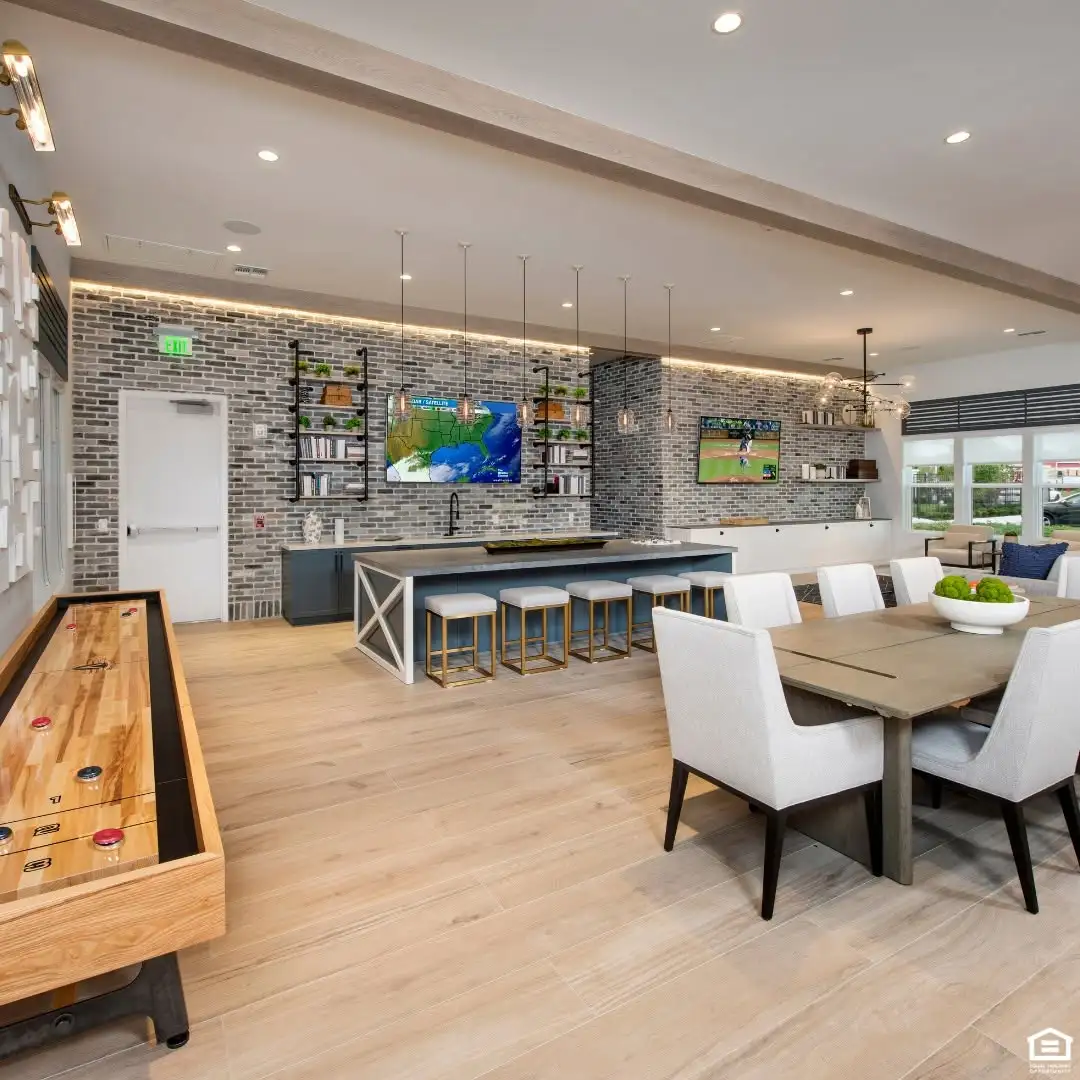
The shared lounge combines communal dining, counter seating, and shuffleboard. A room with several uses requires consideration of the complete layout and the delivery needs of its components. A delayed or incorrect item can affect part of the intended experience even when most furnishings are installed.
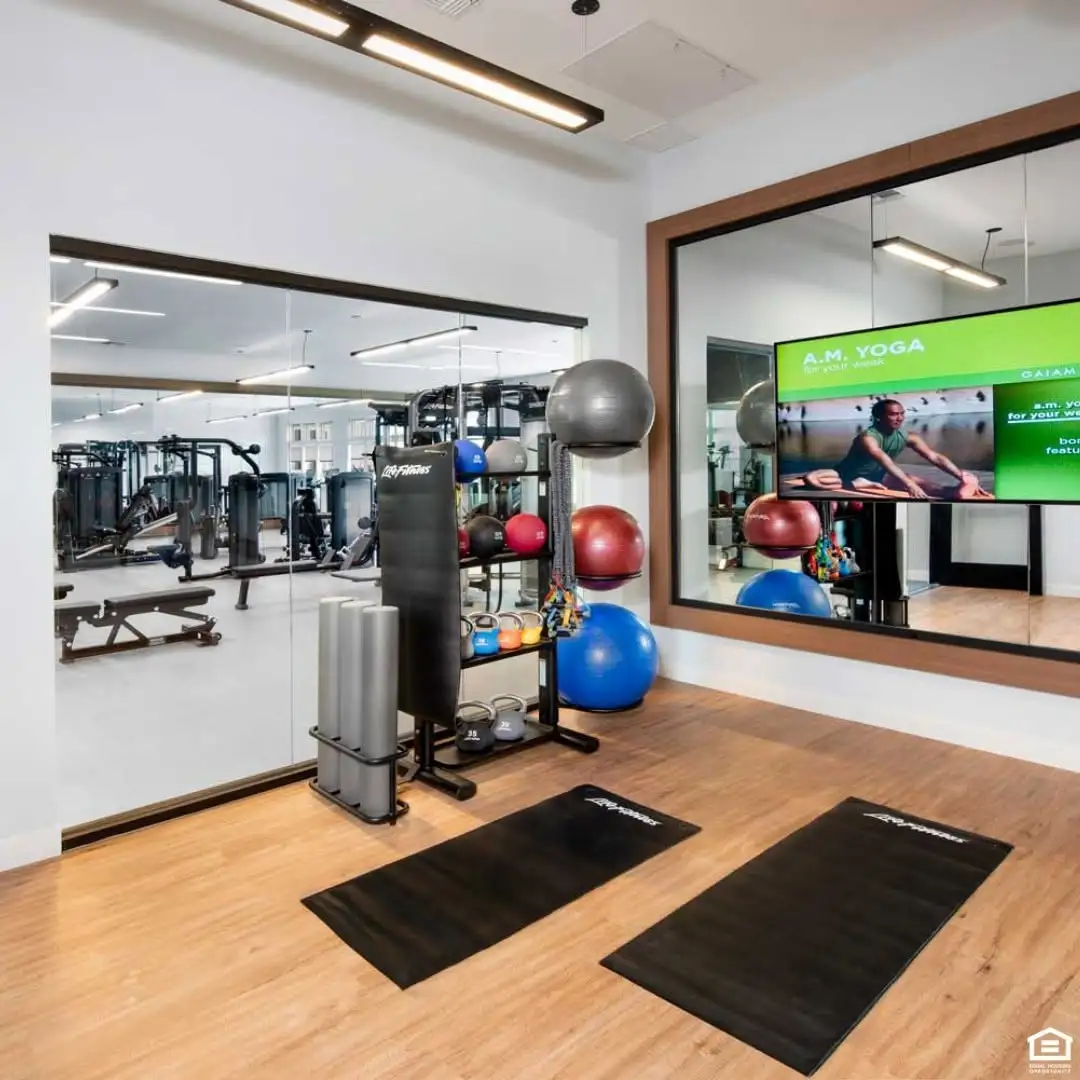
Fitness and outdoor environments introduce different installation and maintenance requirements. Exercise equipment and accessories need coordination appropriate to their use, while cabana furnishings must suit their exposure. Visual consistency across the community depends on selections that respond to the conditions of each space.
For owners planning comparable communities, the procurement priority is to connect these requirements with intended availability. The apartment needed for photography and the amenity scheduled for resident access may follow different completion sequences. Reporting becomes more useful when it allows the team to assess each area and understand the outstanding decisions affecting it.
Cypress Manor’s place in Beyer Brown’s residential portfolio provides a project reference for this discussion. Its completed spaces illustrate the importance of coordinating diverse furnishing requirements; they are not evidence of a measured lease-up improvement. The practical lesson is to plan procurement around how the community will be presented and used.

A Procurement Partnership That Supports the Transition to Occupancy
FF&E procurement supports leasing readiness when design intent, financial commitments, and product status remain connected to the spaces the team needs to complete. An approved furniture package establishes direction. Specifications, purchasing records, production updates, delivery arrangements, and installation information must continue to reflect that direction as conditions change.
Ownership gains a stronger basis for evaluating changes before additional costs or schedule adjustments are approved. Designers gain purchasing support that carries selections into vendor commitments. Contractors, installers, and property teams gain visibility into the products and outstanding issues affecting their work. That shared understanding helps resolve furnishing dependencies before scheduled activities rely on a completed space.
Beyer Brown brings its hospitality experience to this work through FF&E procurement services connecting early planning with purchasing, logistics coordination, installation reporting, and closeout within the agreed scope.
Procurement supports the broader objective of faster lease-up by reducing avoidable furnishing delays and helping presentation spaces become available as planned. Its strategic value is a clearer record of commitments and a coordinated path for translating approved design into environments ready for their intended use.