

Centralized OS&E purchasing helps hospitality teams create greater operational consistency by coordinating purchasing decisions across every phase of a project. Centralized OS&E purchasing is a procurement strategy that manages operating supplies and equipment through a single coordinated process rather than multiple independent purchasing channels.This approach gives owners, developers, and operators greater visibility while helping properties prepare for successful openings and long term operations.
Operational consistency is built long before the first guest arrives. Every guestroom, restaurant, bar, public space, housekeeping department, and back of house area depends on thousands of individual OS&E items arriving accurately, meeting brand standards, and being available when teams need them. Even small inconsistencies in purchasing decisions, product selections, or delivery coordination can create challenges that affect opening readiness, daily operations, and the overall guest experience.
Hospitality projects also involve a broad network of manufacturers, suppliers, designers, contractors, ownership groups, and operations teams. Without a centralized purchasing strategy, individual decisions can become disconnected as projects progress. Product substitutions, duplicate purchasing, inconsistent specifications, changing lead times, and limited visibility across vendors may introduce unnecessary complexity that becomes more difficult to manage as installation approaches.
A centralized procurement process creates a single source of coordination that helps keep purchasing decisions aligned with project objectives. Clear communication, consistent documentation, and disciplined oversight provide project teams with greater confidence as products move from planning through procurement, delivery, installation, and operational readiness.
At Beyer Brown, centralized OS&E purchasing extends beyond placing purchase orders. It is a coordinated procurement strategy designed to improve visibility, strengthen communication, and create consistency across every stage of hospitality development. By aligning purchasing activities with the broader project lifecycle, owners and developers gain greater confidence that operational spaces will be equipped to support both opening day and long term property performance.

Why Centralized OS&E Purchasing Matters to Owners and Developers
Hospitality projects involve far more than purchasing products. Every operating department relies on the right equipment, supplies, and accessories arriving accurately, consistently, and according to schedule. A centralized OS&E purchasing strategy gives owners and developers greater confidence that those decisions remain coordinated throughout the project rather than being managed independently across multiple teams or vendors.
Operational consistency begins with visibility. When purchasing activities are managed through a centralized procurement process, project teams gain a clearer understanding of product selections, quantities, specifications, lead times, approvals, and delivery schedules. Instead of piecing together information from multiple sources, stakeholders can rely on structured reporting and coordinated communication that supports more informed decision making as the project progresses.
This visibility becomes increasingly valuable as hospitality developments grow in complexity. A single hotel may require thousands of individual OS&E items across guestrooms, food and beverage venues, meeting spaces, housekeeping, engineering, fitness centers, pools, administrative offices, and other operational areas. Each department has unique requirements, yet every purchasing decision contributes to the property's overall readiness.

Without centralized coordination, inconsistencies can begin to emerge. Similar products may be purchased through different suppliers. Specifications may vary between departments or project phases. Product substitutions may not be communicated across stakeholders. Delivery schedules can become fragmented, making it more difficult to prepare for installation and opening activities. While each issue may appear manageable on its own, together they can create unnecessary complexity that affects both project execution and operational readiness.
Centralized OS&E purchasing establishes a single framework for coordinating these activities. Purchasing decisions remain aligned with approved specifications, project schedules, operational requirements, and ownership expectations. Teams gain greater transparency into procurement progress while reducing the likelihood of duplicate purchasing, inconsistent product selections, or avoidable coordination challenges.
This level of consistency extends beyond the opening of a property. Standardized purchasing records, organized documentation, and coordinated vendor information provide valuable resources for future renovations, replacements, warranty management, and ongoing operational planning. Owners and operators are better positioned to maintain consistency across the property while supporting long term asset performance.
For developers and ownership groups, centralized procurement also creates greater confidence throughout the project lifecycle. Instead of reacting to purchasing issues as they arise, teams have the visibility needed to identify potential concerns earlier, coordinate solutions more efficiently, and keep procurement activities aligned with broader project objectives. That structured approach helps reduce uncertainty while supporting a smoother transition from construction to daily operations.
How Beyer Brown Coordinates Centralized OS&E Purchasing
Centralized OS&E purchasing is most effective when every procurement decision is connected through a structured process rather than managed as a series of independent transactions. At Beyer Brown, procurement coordination is built around creating visibility, maintaining alignment, and helping project teams move confidently from planning through operational readiness.
The process begins with a thorough understanding of the project's operational requirements, brand standards, design intent, and ownership objectives. This early alignment establishes a clear purchasing strategy before orders are placed, helping ensure that procurement decisions remain consistent throughout the project lifecycle.
As purchasing activities progress, Beyer Brown coordinates product specifications, quantity verification, vendor communication, approvals, lead times, and procurement reporting through a centralized framework. Rather than requiring owners and project teams to manage information across multiple manufacturers and suppliers, procurement activities are organized into a coordinated process that improves transparency and simplifies communication.
This level of coordination becomes especially valuable as hospitality projects evolve. Product availability may change, lead times can shift, and project schedules often require thoughtful adjustments. A centralized procurement approach provides greater visibility into these changes, allowing teams to evaluate options while maintaining alignment with project goals, operational needs, and approved specifications.
Procurement reporting also becomes a valuable management tool throughout the project. Clear documentation allows ownership groups, developers, operators, and project stakeholders to understand purchasing progress, review outstanding items, monitor procurement milestones, and make informed decisions with greater confidence. Instead of reacting to fragmented information, teams gain a more complete view of procurement activities across the project.
Centralized purchasing also strengthens consistency across operational departments. Guestrooms, food and beverage venues, housekeeping, engineering, public spaces, and administrative areas all rely on different categories of OS&E, yet each contributes to the property's overall operational readiness. Coordinating these purchasing activities through a single procurement strategy helps reduce unnecessary variation while supporting a more consistent experience for both staff and guests.
Throughout the process, Beyer Brown serves as a collaborative partner connecting ownership, designers, manufacturers, suppliers, contractors, and operations teams. By maintaining organized communication, structured documentation, and disciplined procurement oversight, the team helps reduce uncertainty while keeping purchasing activities aligned with the broader goals of the project.
The result is more than an organized purchasing process. Owners and developers gain greater confidence through improved visibility, consistent coordination, and procurement decisions that support successful hotel openings and long term operational performance.

What the Centralized OS&E Procurement Process Looks Like
A successful hospitality project depends on thousands of individual purchasing decisions coming together through a coordinated process. While guests experience a finished property as a seamless environment, that outcome is built through careful planning, organized communication, and disciplined procurement management long before opening day.
The centralized OS&E procurement process begins by establishing a comprehensive understanding of the property's operational needs. Project teams review approved design documents, operational requirements, brand standards, and ownership expectations to confirm the products needed across every department. This planning phase creates a reliable foundation for purchasing activities while helping reduce uncertainty later in the project.
Once operational requirements have been confirmed, procurement teams develop detailed purchasing schedules that align with the overall construction timeline. Product categories are evaluated based on manufacturing lead times, supplier availability, project milestones, and anticipated installation sequences. Coordinating these schedules early allows purchasing decisions to support the broader pace of the project rather than reacting to changing conditions as deadlines approach.
As purchasing moves forward, centralized coordination becomes increasingly valuable. Manufacturers, suppliers, ownership groups, designers, operators, and contractors all rely on timely information to make informed decisions. Maintaining organized documentation and consistent communication helps ensure that approved specifications, quantities, delivery schedules, and procurement updates remain aligned as the project evolves.
Procurement reporting provides another layer of visibility throughout this process. Regular reporting allows stakeholders to review purchasing progress, monitor outstanding items, evaluate potential schedule impacts, and understand where procurement activities stand in relation to the overall project. This level of transparency helps support proactive decision making while reducing the likelihood of unexpected issues during later phases of development.
Coordination continues through logistics planning and delivery scheduling. Rather than viewing deliveries as isolated events, centralized procurement considers how products will arrive in relation to construction progress, site readiness, storage limitations, and installation sequencing. Aligning these activities helps reduce unnecessary disruptions while creating a smoother transition into final project completion.

The value of centralized purchasing extends beyond the arrival of products. Organized procurement records, vendor documentation, approved substitutions, warranty information, and purchasing history provide owners and operators with valuable resources after opening. These records can simplify future renovations, support ongoing maintenance planning, and create greater consistency when replacements or additional purchases become necessary.
Viewed as a whole, centralized OS&E procurement is not simply a purchasing function. It is a structured management process that connects planning, communication, documentation, purchasing, logistics coordination, and reporting into a single framework. That level of organization gives project teams greater visibility, reduces unnecessary complexity, and creates confidence that operational spaces will be prepared to support both opening day and the property's long term performance.
How Centralized OS&E Purchasing Strengthens Long Term Property Performance
A successful hotel opening represents the beginning of a property's operational lifecycle, not the conclusion of a procurement project. The decisions made throughout centralized OS&E purchasing continue influencing daily operations long after the final deliveries have been completed. When purchasing activities remain coordinated from planning through procurement, properties are better positioned to operate with consistency from the first day of service.
For hotel operators, operational consistency creates confidence across every department. Guestrooms are equipped according to established standards. Restaurants and bars receive the products needed to begin serving guests efficiently. Housekeeping, engineering, fitness centers, meeting spaces, and administrative teams have access to the equipment and supplies required to support daily operations. When these environments are prepared through a coordinated procurement strategy, staff can focus on delivering the guest experience rather than resolving avoidable operational challenges.
Ownership groups and asset managers also benefit from the visibility created during the procurement process. Organized purchasing records, approved specifications, vendor documentation, and procurement reporting establish a valuable foundation for future capital planning, renovations, warranty management, and replacement programs. Instead of recreating purchasing decisions years later, teams have access to documented information that supports more informed operational planning throughout the property's lifecycle.
Consistency also contributes to protecting brand standards across hospitality portfolios. Owners developing multiple properties or managing renovations over time benefit from procurement documentation that creates continuity between projects. Standardized purchasing practices help maintain alignment while providing greater flexibility as operational needs evolve.
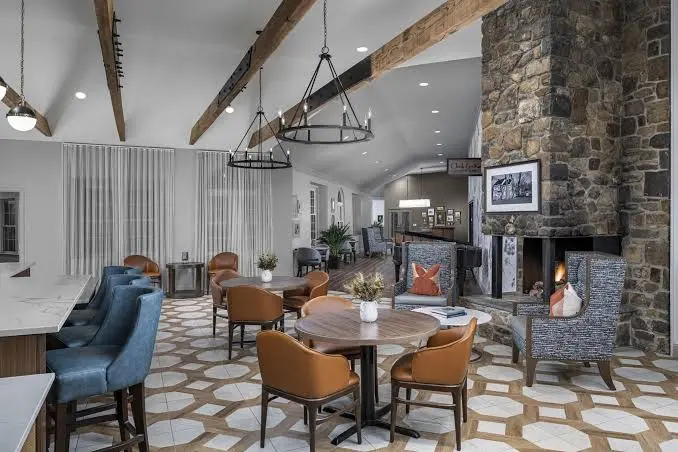
The completed Rao's Restaurant project illustrates how coordinated procurement contributes to a cohesive hospitality environment. While guests experience a refined dining space, the operational consistency behind that experience is supported by thoughtful planning, organized purchasing, coordinated vendor communication, and disciplined procurement management throughout the project lifecycle.
Centralized OS&E purchasing creates lasting value because it connects procurement decisions to long term operational performance rather than viewing purchasing as a standalone project phase. Owners, developers, operators, and project teams gain greater confidence knowing that procurement activities have been coordinated to support not only project completion, but the continued success of the property for years to come.

Centralized Procurement Creates Confidence Beyond Opening Day
Centralized OS&E purchasing creates value because it connects every procurement decision to the broader goals of the project. When purchasing activities are coordinated through a structured process, owners and developers gain greater visibility, stronger alignment, and the confidence that operational spaces will be prepared to perform as intended. That consistency extends beyond opening day, providing a reliable foundation for daily operations, future capital planning, and long term asset management.
Hospitality projects are shaped by thousands of individual decisions. Product selections, specifications, quantities, vendor coordination, procurement reporting, and logistics each contribute to the property's overall readiness. Managing these activities through a centralized procurement strategy allows project teams to move forward with greater clarity while reducing unnecessary complexity throughout the development process.
At Beyer Brown, procurement is viewed as an integral part of the hospitality project lifecycle rather than an isolated purchasing function. Every phase is coordinated with the objective of creating transparency, maintaining alignment, and supporting informed decision making for ownership groups, developers, operators, designers, and project stakeholders.
Successful hospitality environments are built through thoughtful planning, disciplined coordination, and trusted partnerships. Centralized OS&E purchasing brings those elements together, creating operational consistency that benefits the property long after construction is complete. For owners seeking confidence throughout hospitality development, a coordinated procurement strategy provides more than organized purchasing—it establishes a framework that supports successful openings, stronger operational performance, and long term value across the life of the asset.