



Aligning OS&E purchasing with brand standards is essential to creating a hotel experience that feels consistent, operationally prepared, and true to the expectations associated with the property. Operating Supplies and Equipment, commonly known as OS&E, includes many of the items guests and hotel teams interact with each day. Linens, tabletop products, guestroom accessories, housekeeping equipment, food and beverage smallwares, banquet supplies, uniforms, and back of house materials all contribute to how the property functions and how guests perceive their stay.
Because these products are often smaller, replaceable, or purchased later in the project, OS&E can appear less complex than major furniture, fixtures, and equipment packages. In practice, the category involves thousands of interconnected decisions across guestrooms, restaurants, bars, meeting spaces, housekeeping departments, kitchens, pools, fitness areas, and administrative operations.
Each selection must satisfy more than a purchasing requirement. It may need to reflect brand standards, support a defined service model, meet operational expectations, remain within budget, arrive according to the opening schedule, and perform reliably under daily hospitality use.
When these considerations are not coordinated, inconsistencies can emerge quickly. A product may meet the budget but fall outside brand requirements. An approved item may not suit the operator’s workflow. A guest facing product may look appropriate individually but feel disconnected when viewed alongside the rest of the property. Missing or delayed items may also affect training, departmental setup, and opening readiness.
A disciplined OS&E purchasing strategy brings these requirements into one coordinated process. It gives owners, developers, designers, operators, and brand representatives clearer visibility into what is being purchased, why it was selected, and how it supports the intended guest experience.

Why Aligning OS&E Purchasing with Brand Standards Matters to Owners and Developers
Brand standards provide a framework for consistency across a hotel portfolio. They may establish required product categories, performance expectations, approved manufacturers, service protocols, visual characteristics, quality levels, sustainability considerations, or other criteria associated with the brand.
For owners and developers, meeting those standards is closely connected to approvals, operational readiness, and the long term positioning of the asset. OS&E decisions influence how effectively the property can deliver the experience promised by its flag, market segment, and service model.
A guest may never know which items are classified as OS&E, but those products shape the stay in direct and repeated ways. Guests notice the quality and condition of towels, the organization of an in room coffee setup, the weight of flatware, the presentation of a breakfast buffet, the functionality of a meeting room, and the availability of amenities around a pool or fitness center.
These touchpoints create a combined impression. When they are coordinated, the experience feels intentional. When they vary in quality, appearance, or function, those inconsistencies can weaken confidence in the property even if the guest cannot identify a single cause.
Alignment also protects the owner’s investment. Purchasing outside established requirements may lead to approval delays, brand rejection, replacement costs, expedited orders, or additional freight. If unsuitable products reach the property, operational teams may need to develop temporary solutions while replacements are sourced. These corrections can consume contingency funds and place more pressure on the period immediately before opening.
Budget control therefore depends on more than selecting the lowest priced option. Owners need visibility into total purchasing requirements, approved quantities, freight, storage, delivery timing, replenishment requirements, and the operational consequences of each decision. Preliminary budgeting can establish an early financial framework, but continued coordination is required as specifications and departmental needs develop.
Long term performance is equally important. Hospitality OS&E is exposed to repeated use, cleaning, movement, storage, and replacement. A product that appears cost effective during bidding may create higher operating costs if it wears quickly, is difficult to replenish, or does not integrate with established hotel procedures.
Thoughtful purchasing evaluates value across the product lifecycle. This gives ownership a clearer basis for balancing initial cost with durability, availability, maintenance, guest expectations, and operational efficiency.
How Beyer Brown Coordinates Brand Standards, Operations, and Purchasing
Beyer Brown approaches OS&E procurement as a coordinated hospitality process rather than a collection of isolated orders. The objective is to give the project team clarity across specifications, quantities, pricing, approvals, purchasing, and delivery while keeping decisions connected to brand and operational requirements.
This begins by establishing the project’s governing information. Brand standards, operator requirements, departmental lists, design direction, room counts, food and beverage concepts, project schedules, budgets, and responsibility assignments must be reviewed together. Each source provides a different part of the purchasing framework.
A brand standard may identify a required category or performance level. The operator may clarify how the item will be used. The designer may establish the visual direction for guest facing products. Ownership may define the approved budget. The procurement team brings these requirements into a structured sourcing and purchasing process.
This coordination is especially important when multiple parties contribute specifications. Without a centralized review, similar items may be listed differently, required categories may be omitted, quantities may be calculated using inconsistent assumptions, or products may be purchased without clear confirmation of who holds final approval.
Beyer Brown’s dedicated OS&E team organizes information so questions can be identified and directed to the appropriate stakeholder. This creates a documented path for decisions and helps the project move forward without relying on informal assumptions.
As part of the broader project strategy, specification assistance can help coordinate applicable selections with design intent, brand standards, operational requirements, and budget expectations. Within the OS&E purchasing process, product information is reviewed for completeness, procurement readiness, durability, operational suitability, lead time, and cost considerations. If information is incomplete or an item presents a concern, the issue can be addressed before purchasing rather than after delivery.
Qualified vendors are then engaged to obtain pricing, confirm availability, review product details, and evaluate purchasing options. Comparisons should consider more than unit price. Pack sizes, minimum order quantities, freight, lead times, warranties, replacement availability, potential alternatives, and required delivery dates can all affect the recommendation presented to the project team.
When substitutions become necessary, the proposed product must be evaluated against the original requirement. A lower cost or more readily available item is not automatically an appropriate alternative. Dimensions, materials, performance, appearance, care requirements, operational use, and brand approval, when required, may need to be confirmed before purchase orders are issued.
This disciplined process allows ownership to remain informed without managing every vendor conversation or product detail directly. Decisions requiring client, operator, designer, or brand input are presented with the relevant information, while routine coordination continues through a dedicated procurement structure.
The OS&E Purchasing and Brand Alignment Process
A successful process begins well before products are delivered to the property. Early coordination creates the time needed to resolve unclear requirements, confirm responsibilities, evaluate sourcing conditions, and sequence purchasing around operational milestones.
Establishing the Project Framework
The procurement team first confirms the project scope, schedule, budget, opening objectives, stakeholders, and approval structure. Responsibility matrices and departmental requirements help clarify which items fall within the OS&E scope and which party is responsible for specifying, approving, purchasing, receiving, placing, or installing them.
This stage also identifies the information needed from ownership, the operator, the design team, brand representatives, consultants, and other project participants.
Reviewing Brand Standards ad Operational Requirements
Brand documents and operator requirements are reviewed alongside project specific information. The goal is to understand how standards apply to the actual property rather than treating them as a general checklist.
A resort, urban hotel, select service property, or full service destination may require different quantities, departmental support, amenities, food and beverage programs, and guest touchpoints. Local operating conditions and the intended service model may also affect the final purchasing list.
Organizing Specifications and Product Details
Specifications are organized by area, department, category, or another structure suited to the project. Product descriptions, materials, dimensions, finishes, model numbers, performance expectations, and approved manufacturers are reviewed for completeness.
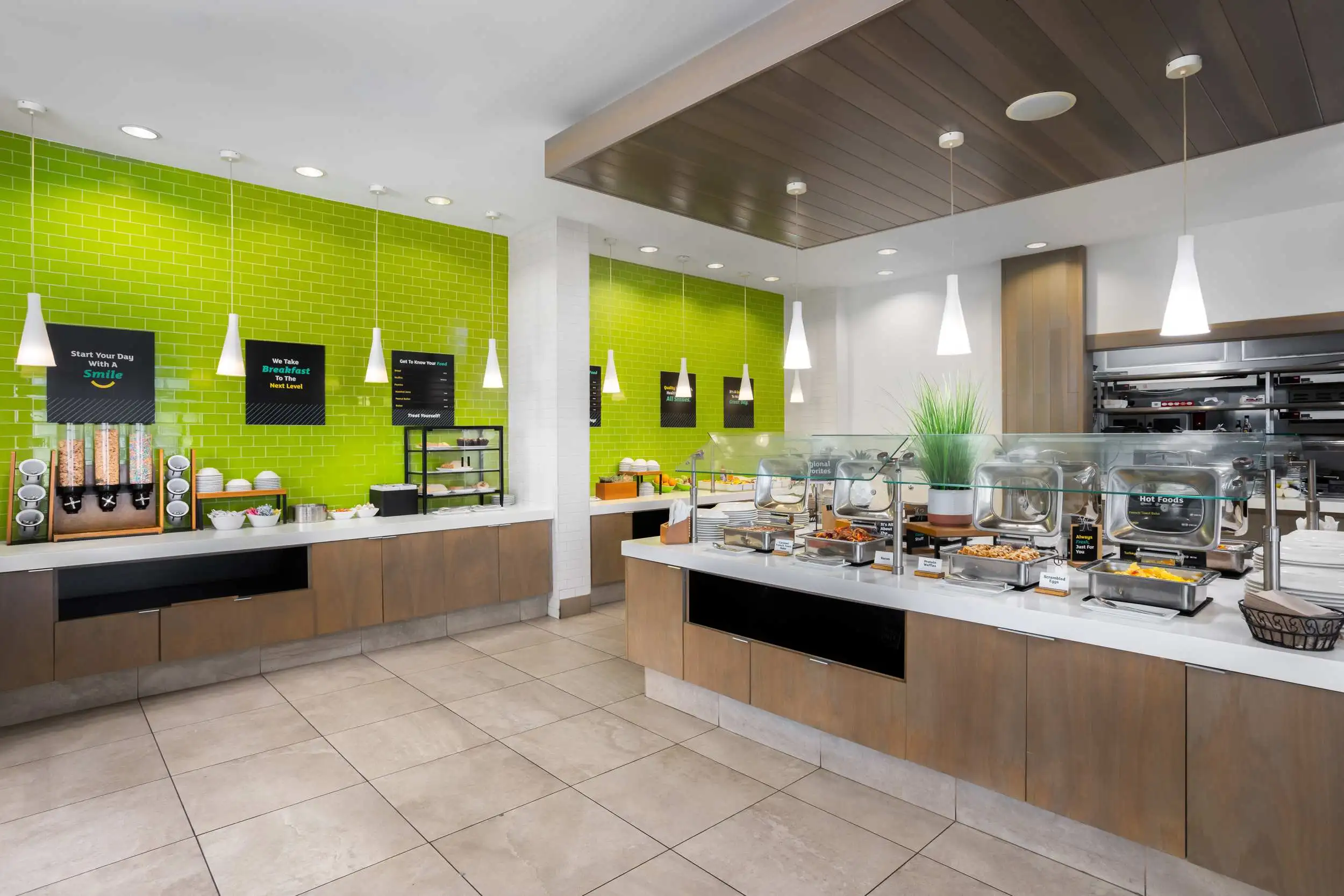
Guest facing items receive attention to appearance and consistency, while operational products are evaluated for function, durability, storage, cleaning, and staff use. Some selections must satisfy both. Tabletop products, buffet equipment, guestroom accessories, and banquet supplies must perform reliably while contributing to the visual experience.

Confirming Quantities
Quantities are developed using room counts, space plans, departmental requirements, seating capacities, operating ratios, replacement allowances, and other project specific inputs. A disciplined quantity verification process helps reduce the risk of shortages, duplicate purchases, and unnecessary inventory.
OS&E quantities require particular care because products are often sold in cases, sets, or manufacturer packs. The required operating quantity may not match the quantity available in a standard package. These differences need to be recognized before orders are finalized.
Sourcing, Bidding, and Evaluating Options
Vendors are invited to provide pricing and confirm product availability. Bids are reviewed to ensure each supplier is pricing the same requirement. Freight, packaging, minimums, lead times, alternatives, and commercial terms are evaluated alongside the base cost.
If a specified item is unavailable, exceeds the budget, or cannot meet the schedule, alternatives can be presented for review. Documentation keeps the appropriate stakeholders informed of what changed and why.
Managing Approvals and Purchase Orders
Final selections are submitted through the established approval process. Once the necessary approvals are received, purchase orders can be prepared, reviewed, and released.
Accurate purchase documentation is essential because small differences in model numbers, finishes, sizes, quantities, or shipping instructions can affect the property’s ability to use the products as intended. Organized records also provide ownership with greater visibility into purchasing commitments and the remaining budget.
Tracking Orders, Delivery, and Readiness
After release, orders are monitored against confirmed lead times and required delivery dates. The broader hospitality procurement process coordinates purchasing information with freight, warehousing, delivery, installation or placement as applicable, and project reporting.
OS&E deliveries must be sequenced around site readiness, departmental setup, staff training, inventory organization, and opening activities. Delivering too early can create storage and handling challenges. Delivering too late can interfere with training, testing, and final preparation.
Tracking allows the team to identify changes and address exceptions while options are still available. This supports a more controlled transition from purchasing to operational setup.
The Project Impact of Coordinated OS&E Purchasing
When OS&E purchasing remains aligned with brand standards and guest experience objectives, the project gains more than a complete inventory of products. Ownership receives a clearer, more consistent path toward opening readiness.
The value becomes visible across every area of the property. Guestrooms can be prepared with coordinated accessories, amenities, linens, and operational supplies. Restaurants and bars can receive tabletop products and smallwares suited to the concept and service model. Meeting and banquet areas can be equipped for flexible use. Housekeeping, engineering, culinary, and other departments can prepare with the tools needed to support daily operations.
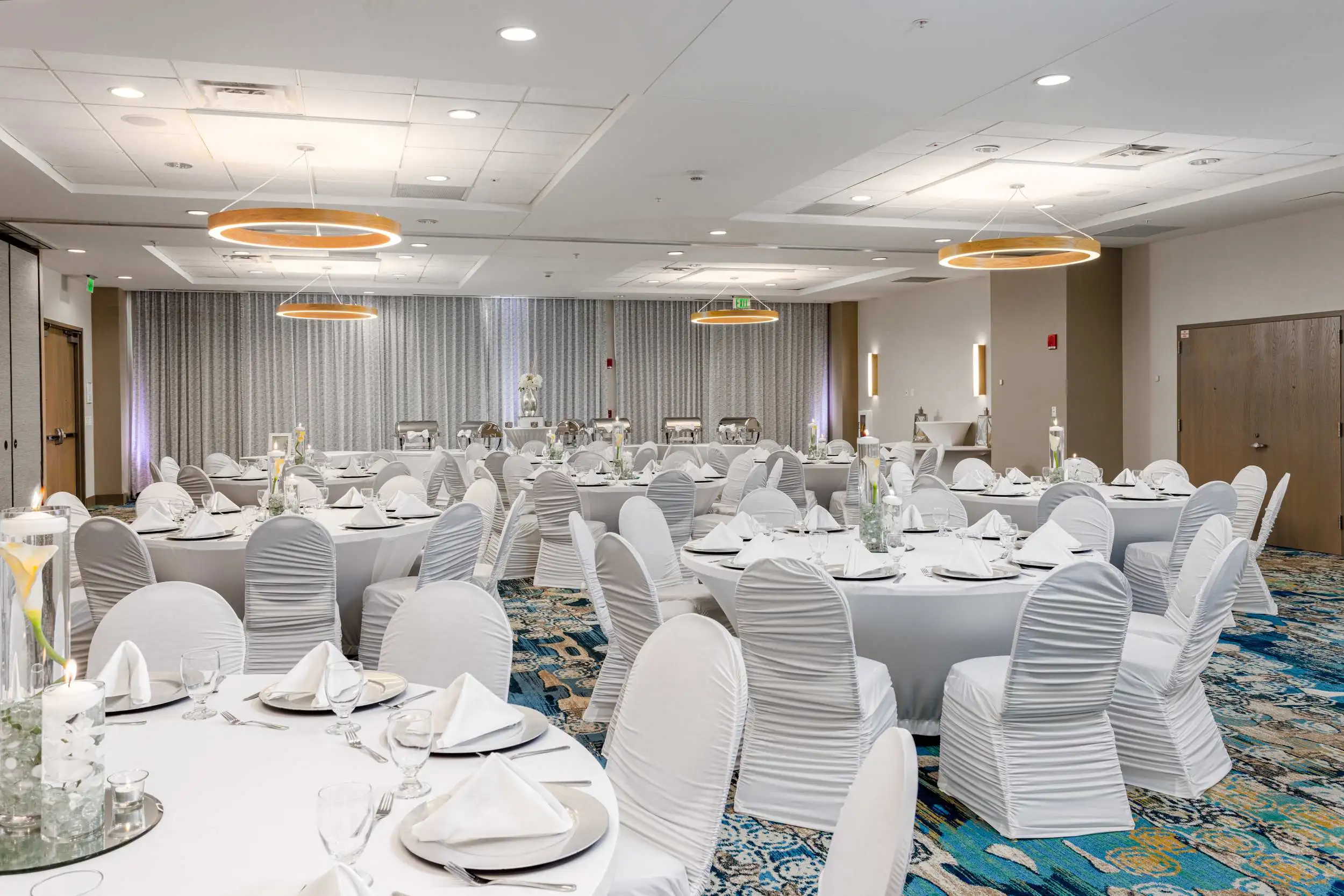
This alignment supports a more consistent guest experience because purchasing decisions are connected to the same brand and project objectives. The visual language, quality level, and functionality of individual products work together across multiple touchpoints rather than being determined through unrelated purchasing decisions.
The project team also gains stronger budget visibility. Organized specifications, verified quantities, competitive sourcing, and documented approvals create a clearer record of how funds are being committed. If a change becomes necessary, ownership can evaluate its effect within the full project context.
Schedule confidence can improve as lead times, approvals, purchasing dates, and delivery requirements are coordinated with operational milestones. This does not eliminate every market or supply chain disruption, but it gives the team a structured way to recognize concerns, evaluate alternatives, and support priority dates.
Operational teams benefit from receiving products that reflect how the hotel is intended to function. When operators participate in the review process and procurement decisions account for practical use, the transition into training and opening can proceed with fewer avoidable adjustments.
Long term consistency is another important outcome. Products that can be replenished, maintained, and integrated into property operations support the hotel beyond opening day. Reliable documentation also gives the operator a useful purchasing record when replacement or replenishment inventory is needed.
The broader result is greater confidence. Owners and developers can see that brand expectations, design intent, operational requirements, budget decisions, and guest experience goals are being considered through one coordinated process.
Building Guest Experience Through Disciplined OS&E Procurement
Aligning OS&E purchasing with brand standards is not simply an approval exercise. It is a way to translate the property’s intended identity and service promise into the products that support daily hospitality.
Every towel, glass, serving piece, guestroom accessory, housekeeping tool, banquet item, and operational supply has a practical role. Together, these products influence how employees perform their work, how consistently the hotel delivers service, and how guests experience the property.
Effective alignment requires early planning, complete specifications, verified quantities, informed sourcing, clear approvals, and coordinated delivery. It also requires partnership among ownership, developers, operators, designers, brand representatives, vendors, and procurement professionals.
Beyer Brown provides the structure and hospitality procurement experience needed to connect those decisions throughout the project lifecycle. By acting as an extension of the project team, procurement creates visibility, organizes complexity, and helps each stakeholder move forward with greater clarity.
The strategic value is found in a property that is not only equipped, but prepared. Brand expectations are translated into actionable requirements. Operational teams receive the products needed to perform with confidence. Ownership gains clearer control over budgets and decisions. Guests encounter an experience that feels consistent, thoughtful, and aligned with the promise of the hotel.
That is the role of disciplined OS&E procurement: coordinating the details that allow brand identity, operational performance, and guest experience to come together as one complete hospitality environment.