


Historic hotel FF&E procurement begins with a condition that influences nearly every decision that follows: the building already exists. Its dimensions, circulation, openings, architectural features, previous modifications, and preservation requirements establish parameters that may not align neatly with the assumptions of a standardized hotel program. At the same time, the completed property must meet contemporary expectations for guest comfort, durability, accessibility, service, operations, brand positioning, and long term asset performance.
For procurement, the existing building becomes part of the commercial and logistical basis of the project. Specifications must correspond with actual conditions. Quantities need to account for room and space variations rather than assumed repetition. Custom FF&E may require dimensions to be verified before fabrication commitments are made. Vendor proposals need to reflect comparable scope, and logistics planning must consider how finished products will physically enter, move through, and be installed within the property. When renovation work reveals a condition that changes an approved requirement, the timing of that discovery matters. An adjustment identified during specification review carries different cost and schedule implications than the same adjustment identified after a purchase order has been issued or manufacturing has begun.
That distinction is central to managing historic hotel procurement. Information established in one stage becomes the basis for commitments made in the next, and an unresolved condition can become progressively more difficult to address as the project advances toward opening.
Beyer Brown’s approach to historic and boutique hotel FF&E procurement is built around maintaining those connections. Working within the direction established by ownership, design, architecture, operations, brand representatives, preservation professionals, and other responsible stakeholders, the procurement team carries approved project information into quantity validation, vendor coordination, pricing, purchasing, production tracking, logistics, and installation coordination.
Why Historic Hotel FF&E Procurement Matters to Owners and Developers
Historic and adaptive reuse projects introduce a different level of existing condition risk because repeatability cannot always be assumed simply because spaces share a room type or program.
Hotel procurement typically gains efficiency through repetition. A confirmed room type establishes a furniture plan, specifications, and quantities that can support pricing and purchasing across the applicable room count. Historic properties can complicate that relationship. Guestrooms assigned to the same general category may still contain differences in window locations, wall dimensions, ceiling conditions, architectural features, or previous alterations. Public spaces may present structural, dimensional, or preservation related conditions that influence furniture scale, placement, circulation, and installation.
For owners and developers, repeatability has to be verified before it becomes the basis for quantity, budget, and purchasing decisions. A room type designation alone does not confirm that every associated FF&E requirement can be executed identically throughout the property.
Beyer Brown’s takeoff and quantity verification process reviews floor plans, room matrices, specifications, FF&E schedules, and other applicable project documentation together so quantities remain connected to the specific item, configuration, and location they represent. In a historic hotel, this allows variations to remain visible within the procurement scope rather than being absorbed into a standard room count.
That distinction has commercial consequences. If documented conditions require alternate dimensions or configurations within an otherwise repeated furniture package, those differences may need to remain separate through vendor pricing, approvals, purchasing, production, freight planning, and installation. A total quantity can therefore be numerically accurate while still failing to represent what the project actually needs to buy.
For ownership, the issue extends beyond the cost of the affected FF&E. Quantity and configuration decisions establish the basis for vendor commitments and can influence deposits, production quantities, freight volume, warehousing, installation requirements, and final reconciliation. Identifying a variation while scope and pricing are still being validated gives the project a different set of options than discovering the same condition after purchase orders have been released or manufacturing has begun.
Preservation requirements create a related dependency. Those requirements are established and interpreted by the appropriate project professionals and governing authorities, while procurement is responsible for carrying the resulting approved direction into the activities within its scope. A preservation decision affecting how new FF&E relates to an existing wall, opening, floor, or architectural feature may alter a dimension, finish, mounting condition, product selection, or installation requirement.
Beyer Brown helps maintain the procurement record around those changes so affected vendor information, pricing, approvals, purchasing, and downstream execution remain aligned with the current project direction.
How Procurement Manages the Complexity of Historic Hotel Renovations
Historic and boutique hotels often derive much of their identity from the relationship between existing architecture and the new elements introduced through renovation. Furniture, lighting, artwork, materials, finishes, and custom details contribute to that character, but design intent can only be executed successfully when the information behind those selections is sufficiently developed for pricing, fabrication, purchasing, delivery, and installation.
Beyer Brown approaches that transition by reviewing specifications, floor plans, quantities, vendor information, pricing, approvals, and known project conditions together rather than allowing each to progress independently. The procurement team coordinates questions and discrepancies with the appropriate project stakeholders, evaluates how vendor proposals correspond with the approved requirement, and maintains documentation as decisions advance.
Custom FF&E makes that relationship particularly visible. A casegood specification may establish material, finish, dimensions, hardware, construction requirements, and intended location, but those details also become the basis for vendor pricing and fabrication. A proposal that changes a material, construction method, dimension, lead time, freight assumption, or other requirement may carry implications that are not apparent in the quoted total. Beyer Brown evaluates those differences in the context of the project so stakeholders can understand what is changing before an alternative or vendor direction becomes a purchasing commitment.
Samples, shop drawings, submittals, finish information, and other applicable documentation may require review by the stakeholders responsible for approval. Beyer Brown coordinates that information within the procurement process and maintains the approved direction as it moves into purchasing and production. If field verification changes a custom piece, the team evaluates where that item sits in the procurement cycle and identifies the affected commercial and execution requirements.
Beyer Brown’s FF&E procurement process provides the structure for keeping those dependencies visible as project information develops.
Public areas introduce a broader set of hospitality considerations. Restaurant, bar, lobby, lounge, and other shared spaces have to reconcile design intent with circulation, capacity, service, durability, maintenance, and installation within the existing architecture. A dining chair affects its relationship to the table and surrounding circulation as well as comfort and appearance. Construction and upholstery influence durability and maintenance. Table dimensions affect seating capacity, service, and layout flexibility. Decorative lighting must coordinate with the approved design and the conditions governing its placement and installation.
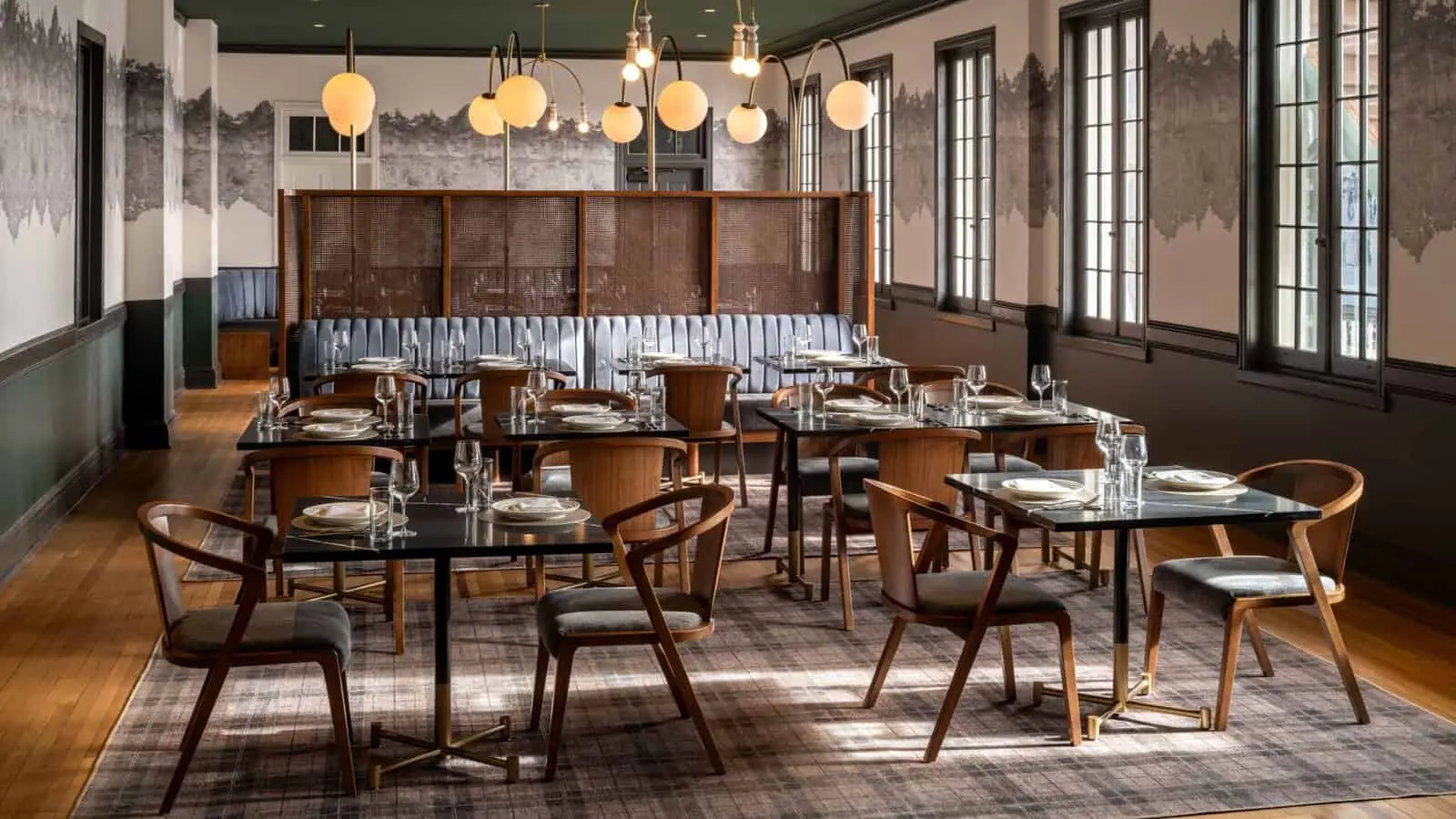
These relationships shape how Beyer Brown evaluates proposed products and alternatives. Two options may appear comparable in price and appearance while differing in dimensions, construction, material performance, lead time, freight, packaging, installation requirements, warranty, or future replacement availability. In a historic property, even a relatively small difference can affect how an item fits, moves through the building, installs, performs operationally, or coordinates with surrounding conditions.
The objective is to bring those implications into the decision before the project establishes a commercial commitment, giving responsible stakeholders a clearer understanding of how a selection or change relates to the broader project.
The Historical Hotel FF&E Procurement Process in Practice
Historic hotel FF&E procurement begins by establishing a reliable project baseline. Specifications, floor plans, room matrices, schedules, quantities, approved revisions, and known project conditions need to describe the same procurement scope before that information becomes the basis for pricing and purchasing. Beyer Brown reviews the applicable documentation and coordinates discrepancies or outstanding questions so unresolved assumptions remain visible rather than becoming embedded in vendor proposals or purchase orders.
Once the scope is sufficiently developed for market engagement, bid documentation translates the project requirement into information vendors can price. Beyer Brown evaluates proposals across applicable commercial and technical considerations, including pricing, construction, materials, quantities, lead times, samples, freight assumptions, exclusions, and deviations from the specified requirement. The purpose is to establish whether competing proposals represent comparable scope and make material differences visible before the project selects a vendor direction.
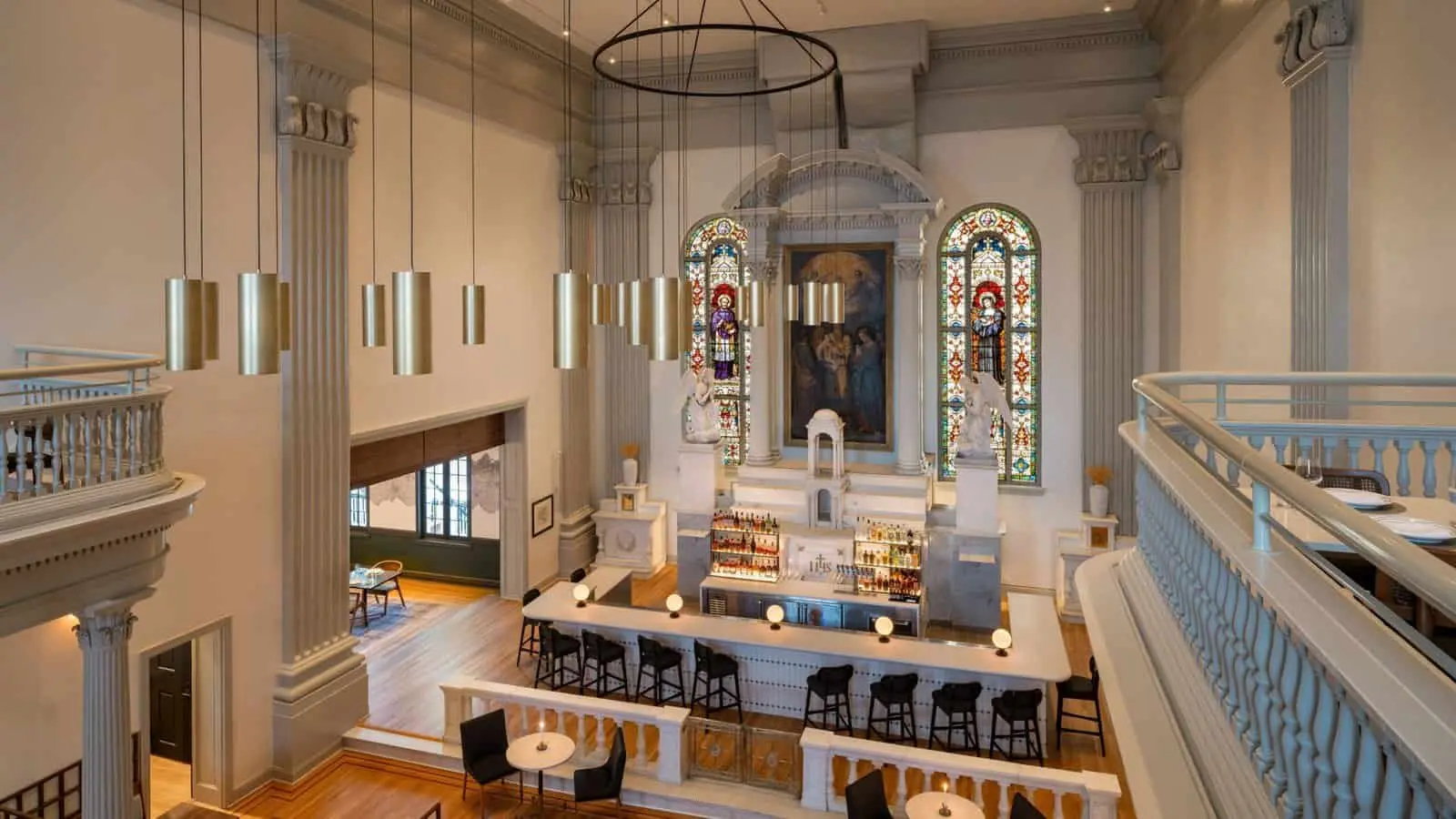
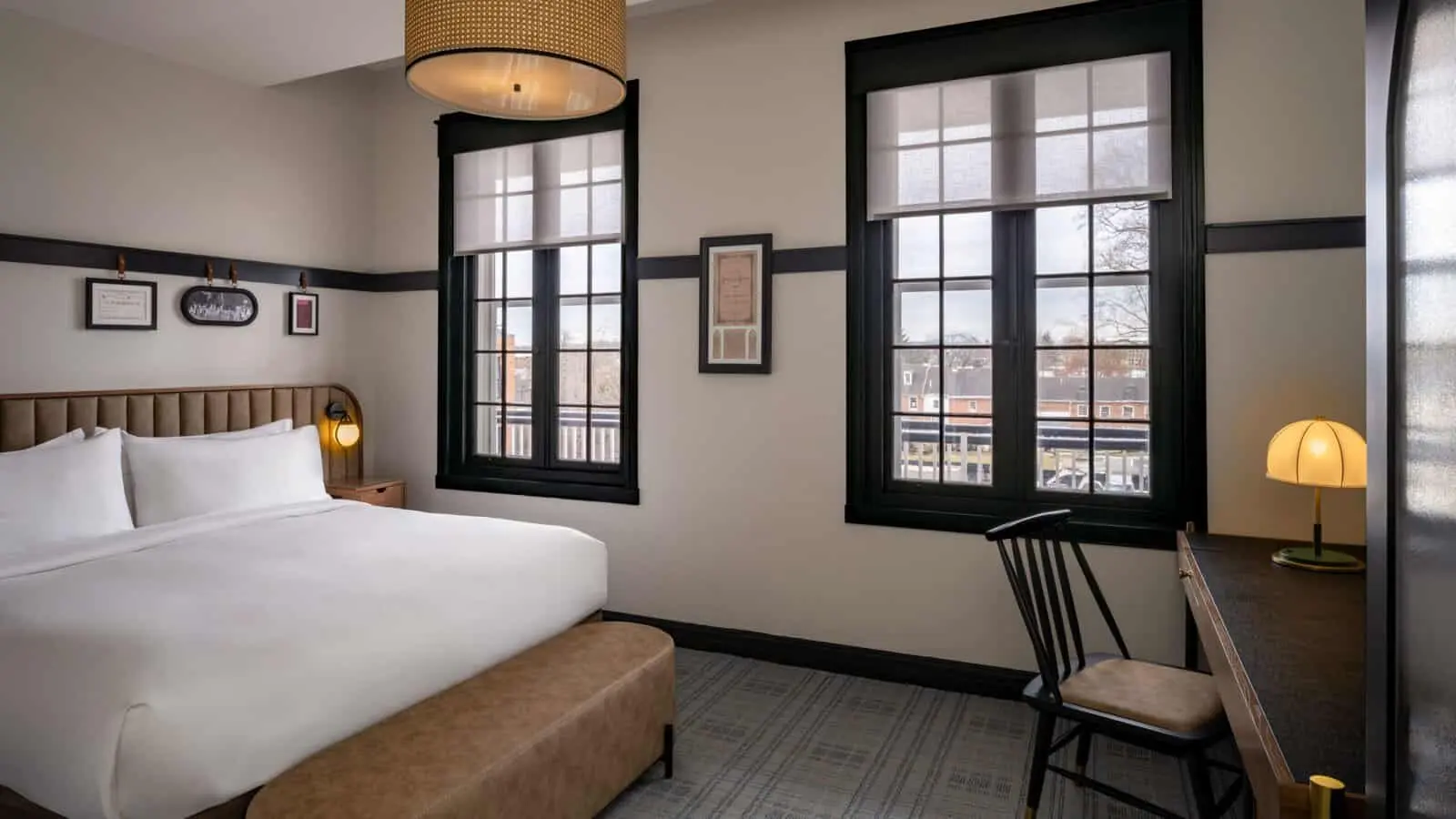
The model room becomes an important validation point before broader purchasing and production. At Visitation Hotel Frederick, Tribute Portfolio, Beyer Brown provided FF&E procurement for model rooms, guestrooms, and the signature restaurant within the conversion of a historic property. Model rooms were developed early to confirm scale, finish selections, and installation sequencing within the historic envelope. Dimensional variations and preservation requirements added complexity, making measurement verification and coordination among ownership, design consultants, and vendors particularly important before the broader guestroom rollout.
In that context, the model room does more than confirm appearance. It provides an opportunity to evaluate how specified FF&E relates to actual room proportions, surrounding architectural conditions, finishes, and installation requirements before those decisions are repeated across production quantities.
Once vendor direction and required approvals are established, purchasing converts approved project information into commercial commitments. Purchase orders document what each vendor has been authorized to provide, while vendor acknowledgements provide another opportunity to confirm that material requirements correspond with the order before production advances. Custom FF&E may require additional coordination through shop drawings, samples, submittals, or other manufacturing documentation.
Production tracking provides the information needed to coordinate the next project dependencies. Lead times, approval status, manufacturing progress, anticipated completion dates, freight requirements, and site readiness need to be understood together because a finished product is only useful when it can arrive at the appropriate time and reach its intended location.
Historic properties can make that final condition considerably more complex. Door openings, corridors, stairs, elevators, loading conditions, finished architectural features, floor protection requirements, and surrounding construction can affect how FF&E enters and moves through the building. Large and custom pieces warrant particular attention because the dimensions that work once an item is installed may not reflect the dimensions of the packaged product or the clearances required to move it through the property.
Beyer Brown tracks products through production and freight, coordinates applicable warehousing and transportation information, and works with the selected installation contractor around delivery and installation requirements. Site readiness matters because early delivery can create additional handling, storage, and damage exposure, while delayed delivery can affect installation sequencing and operational preparation.
In a historic hotel, logistics is not a separate activity that begins after purchasing is complete. The ability to deliver and install the specified FF&E is part of determining whether the procurement plan can be executed within the actual property.

How Historical Hotel FF&E Procurement Influences Project Outcomes
Historic renovation rarely progresses without some degree of adjustment as existing conditions become better understood. The procurement impact depends not only on what has changed, but on when the information becomes available and which commercial commitments have already been made.
Consider a field condition that requires a custom guestroom casegood to become narrower than originally specified. Before bidding, the revised dimension can be incorporated into the pricing package. After vendor selection or shop drawing development, the same change may require revised pricing, documentation, or approvals. Once a purchase order has been released or fabrication has begun, materials, production schedules, freight requirements, and installation planning may already depend on the previous dimension.
The condition itself has not changed, but the project’s available response has.
Beyer Brown’s lifecycle oversight helps make those dependencies visible so ownership and the appropriate project stakeholders can understand the procurement implications before determining how to proceed. The same discipline applies to discontinued products, substitutions, revised quantities, delayed approvals, manufacturing concerns, and schedule changes.
For ownership and development teams, that visibility creates a more reliable basis for decision making. Procurement reporting provides context around what has been budgeted, approved, committed, ordered, revised, produced, shipped, and delivered. When an issue arises, ownership can evaluate it against the current commercial status of the project and understand what may be affected downstream.
For designers, coordinated procurement helps preserve the relationship between approved design intent and the product ultimately manufactured and installed. For operators, procurement decisions become physical operating conditions. Furniture dimensions influence usable space, circulation, and service. Construction and material selections affect durability and maintenance. Product availability can influence future replacement strategies, while delivery timing can affect installation sequencing and opening readiness.
This is also where FF&E and OS&E intersect around operational readiness while remaining distinct procurement programs. Beyer Brown specializes in both FF&E and OS&E procurement. FF&E establishes much of the physical guest and operating environment, while OS&E equips guestrooms and hotel departments for daily service. Their scopes differ, but both ultimately need to correspond with operational preparation and the planned opening of the property.
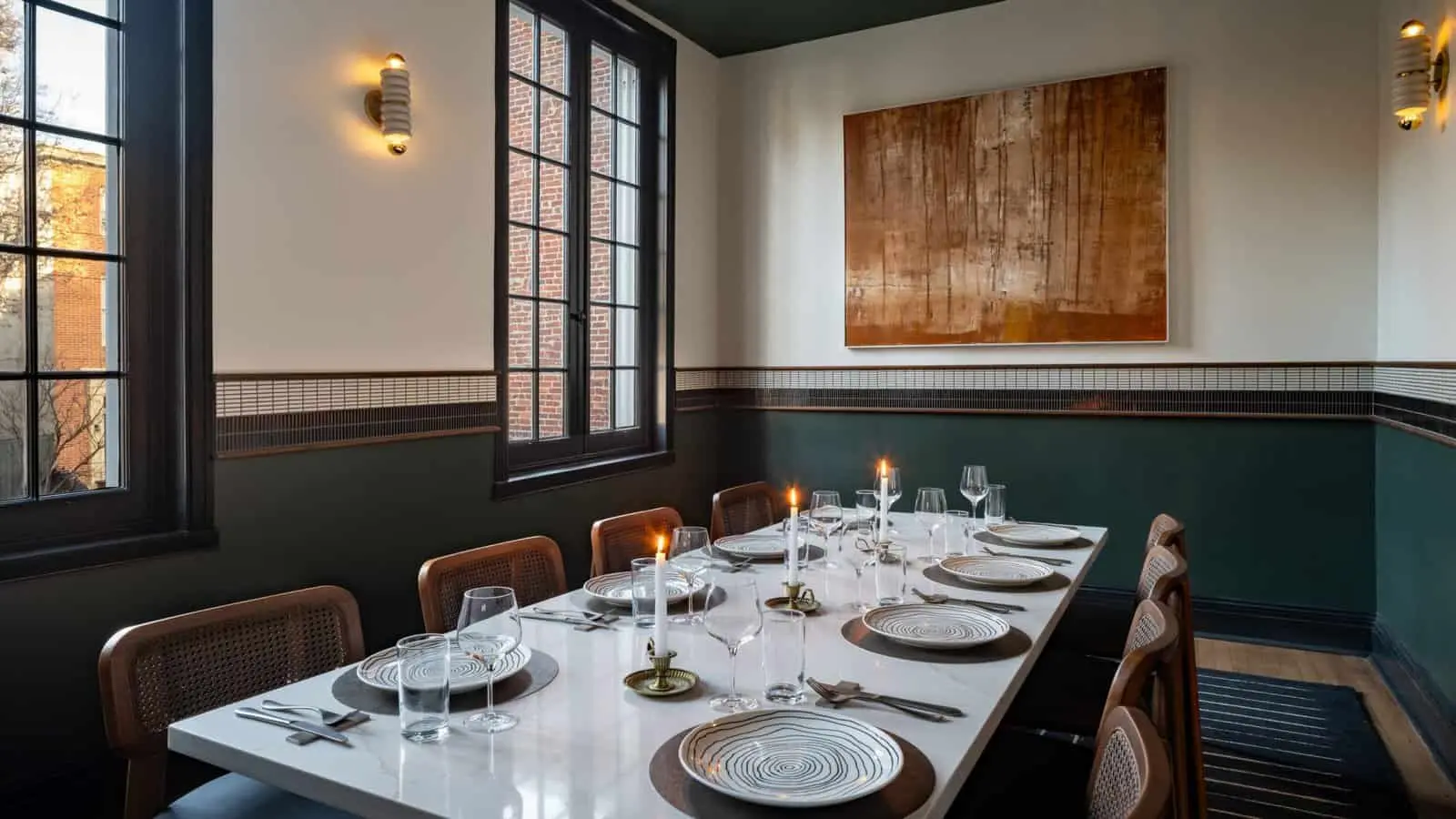
Historic properties add another dimension to the outcome. The project must introduce the FF&E required for contemporary hospitality without allowing execution decisions to weaken the architectural character that gives the property its identity. Procurement influences that balance by keeping approved design direction connected to the commercial and logistical decisions required to deliver it.
The value is not the absence of change. It lies in understanding changing conditions early enough, and within enough project context, to make informed decisions about their effect on budget, schedule, design intent, installation, and operations.
Building a Procurement Strategy Around the Historic Property
The defining characteristic of a historic hospitality project is not simply the age of the building. It is the number of existing conditions, project requirements, and execution dependencies that must be reconciled within an environment that already has its own dimensions, character, and limitations.
That makes procurement strategy inseparable from the realities of the property. Preservation direction may influence how new FF&E relates to existing architecture. Field conditions can affect dimensions and configurations. Design establishes the intended guest experience, while ownership and operations bring capital, schedule, durability, service, and long term performance considerations into the project.
Historic hotel FF&E procurement therefore depends on continuity between those decisions. When a condition changes, the project needs visibility into which approvals, vendor commitments, costs, production activities, schedule requirements, or installation plans depend on the information being changed.
Beyer Brown maintains that continuity within the procurement scope, working alongside ownership, design, architecture, operations, brand representatives, preservation professionals, contractors, vendors, logistics providers, and installers. The team carries approved project direction into commercial and execution activity while maintaining documentation and visibility as information develops.
The strongest procurement strategy for a historic property is one built around the building itself. Existing conditions are recognized rather than standardized away. Preservation direction is carried into the applicable procurement requirements. Commercial decisions are evaluated in the context of their implications for fabrication, schedule, logistics, installation, and operations. When conditions evolve, the effect of those changes remains visible across the procurement lifecycle.
That is the value of experienced hospitality procurement in a historic environment. It gives a complex project a disciplined path between approved intent and physical execution while preserving the distinct responsibilities of the broader project team. For historic hotels, that continuity helps contemporary hospitality requirements coexist with the architectural character of the property and gives ownership greater confidence in the decisions required to move the project toward operation.